
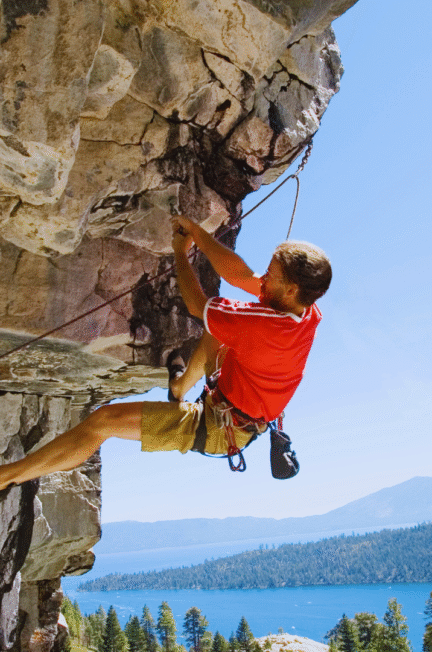
Planning a rock climbing trip can be both exhilarating and overwhelming for enthusiasts. With the right preparation, an unforgettable experience awaits, marked by breathtaking scenery and the thrill of conquering new heights. Understanding essential tips for logistics, safety, and location selection can significantly enhance the adventure and ensure a memorable outing.
Choosing the perfect climbing destination is crucial. Factors such as difficulty level, type of climbing available, and local amenities should all come into play. With varying preferences, climbers should prioritise locations that suit their skills and offer a variety of routes to explore.
Safety is paramount in any climbing expedition. Preparing adequately by checking gear, studying the terrain, and understanding weather conditions can prevent mishaps. By taking these steps seriously, the trip will not only be memorable but also enjoyable and safe for all involved.
Choosing the Perfect Climbing Destination
Selecting the right climbing destination is crucial for an exceptional rock climbing experience. Factors such as route difficulty, accessibility, and the availability of additional activities can significantly enhance the trip.
Evaluating Climbing Routes and Grades
When assessing climbing routes, it’s vital to consider both the difficulty rating and the variety available. Destinations with a broad range of grades can cater to different skill levels, making them ideal for mixed groups.
For example, Innsbruck offers routes that cater to beginners through to advanced climbers. Checking online resources, guidebooks, or local climbing organisations can provide detailed information on the routes.
An important consideration is the type of climbing available — sport, trad, bouldering, or a combination. Familiarity with different climbing styles enhances the experience and fosters skill development.
Considering Accessibility and Travel Logistics
Accessibility plays a significant role in choosing a climbing destination. Proximity to airports and public transport can save valuable time. For instance, Innsbruck is well-connected by rail, making it easy to reach various climbing locations.
In addition, evaluating local amenities such as accommodation and dining options is essential. Researching appropriate inns or campsites nearby can enhance the trip. Travellers should also consider the season, as weather conditions vary significantly and can impact climbing opportunities. Checking local forecasts and seasonal guides helps in planning effectively.
Selecting Destinations for Multiple Activities
For a more fulfilling trip, choosing destinations that offer a range of activities can be beneficial. Many climbing areas also provide other outdoor pursuits, such as hiking, cycling, or mountaineering.
Innsbruck, for example, is famous not only for its excellent climbing but also for nearby mountain trails and scenic vistas. This variety allows climbers to explore beyond their main interest and enriches the overall experience.
Local adventure companies often offer package deals that combine various activities, making it easier for climbers to enjoy more during their visit. This approach can lead to a well-rounded, unforgettable trip.
Essential Planning for an Unforgettable Trip
Effective planning is vital for a successful rock climbing trip. Key considerations include group size and experience, creating a suitable itinerary, and arranging accommodation and transport.
Deciding on Group Size and Experience Level
A well-balanced group is essential for a rewarding climbing experience. Start by assessing the climbing skills of each participant. This helps in deciding the appropriate routes and activities.
Optimal Group Size:
- Small Groups (2-4): Easier coordination and personalised attention.
- Medium Groups (5-8): More social interaction while still manageable.
- Large Groups (9+): Consider logistical challenges and safety measures.
Planning should accommodate varying experience levels, ensuring everyone’s comfort and safety.
Creating a Balanced Itinerary
An effective itinerary should incorporate diverse activities alongside climbing. Allocate time for rest, exploration, and sightseeing to enhance the overall experience.
Sample Itinerary Components:
- Climbing Days: Prioritise key climbing areas, like those around Innsbruck.
- Rest Days: Offset intense climbing with days for relaxation or local activities.
- Sightseeing: Include visits to cultural sites and natural parks.
Flexibility is key; adjust plans based on weather conditions and group energy levels.
Booking Accommodation and Transport
Securing comfortable accommodation and reliable transport is critical. Research lodging options that cater to climbers, offering amenities such as gear storage and local guides.
Accommodation Types:
- Hostels: Economical and social, ideal for smaller budgets.
- Inns: Offer comfortable amenities and local cuisine, suitable for families or larger groups.
For transport, consider hiring a vehicle for convenience. This allows easy access to climbing locations while offering the freedom to explore nearby attractions. Pre-booking ensures availability during peak climbing seasons.
Preparation and Safety Strategies
Effective preparation and safety strategies are crucial for a successful rock climbing trip. These aspects ensure that climbers are physically ready, have the appropriate gear, and are informed about environmental conditions.
Building Physical Fitness and Training
Physical fitness plays a vital role in climbing performance. Climbers should engage in a balanced training regimen that focuses on strength, endurance, and flexibility. This might include:
- Strength Training: Exercises like pull-ups, squats, and core workouts enhance climbing ability.
- Endurance Workouts: Cardiovascular activities such as running or cycling improve stamina.
- Flexibility: Stretching routines and yoga can increase reach and prevent injuries.
Bouldering, in particular, demands explosive strength and body control. Climbers should practice specific movements on low-height problems to improve confidence and technique. Regularly monitoring progress can help climbers stay motivated and adjust their training schedules as needed.
Packing the Right Gear and Equipment
Selecting appropriate gear is crucial for safety and performance. Essential items to consider include:
- Climbing Shoes: Opt for a well-fitted pair that provides comfort and grip on various surfaces.
- Harness: A durable harness is necessary for safety during climbs.
- Helmet: Protects against falling debris and impacts.
Additional equipment, such as chalk bags, quality climbing ropes, and carabiners, should be carefully selected based on the type of climbing—be it sport, trad, or mountaineering. A first aid kit, reliable headlamps and navigational tools such as maps or compasses are also important for unforeseen situations.
Planning for Weather and Environmental Factors
Weather conditions significantly affect climbing plans. Climbers must monitor forecasts and be prepared for sudden changes. Key considerations include:
- Temperature: Dress in layers to adapt to varying climates.
- Rain and Wind: Wet rocks can be hazardous. Avoid climbing when rain is expected.
- Altitude: For high-altitude climbs, acclimatisation is crucial to prevent altitude sickness.
Awareness of the environment also means understanding local wildlife, flora, and potential hazards. Familiarising oneself with the climbing area can enhance safety and enrich the overall experience.
Expanding Your Adventure Beyond Climbing
Adding variety to a rock climbing trip can enhance the experience immensely. Engaging in additional activities such as bouldering, abseiling, hiking, walking, and cycling allows for exploration and appreciation of the surrounding landscape. These pursuits not only offer different challenges but also immerse climbers in the natural beauty of their environment.
Exploring Bouldering and Abseiling Opportunities
Bouldering presents a unique experience with lower climbs, usually under 4–5 metres, which require minimal gear. It is an excellent option for those looking to perfect techniques or enjoy some relaxed climbing with friends. Popular bouldering areas are often located close to main climbing destinations, providing easy access to a variety of problems.
Abseiling, or rappelling, complements climbing by allowing individuals to descend controlled routes. This technique can be applied in scenic spots, revealing breathtaking views that might not be visible from the ground. Many locations offer guided abseiling experiences, making it accessible for both novices and experienced adventurers. Engaging in these activities can significantly enrich one’s trip.
Integrating Hiking, Walking, and Cycling
Incorporating hiking, walking, or cycling into a climbing trip adds depth and variety. Numerous trails exist near climbing hotspots, catering to various fitness levels. Walking allows for a leisurely exploration of landscapes, while hiking gives the opportunity to reach stunning viewpoints.
Cyclists can take advantage of designated bike trails, enabling quicker access to climbing spots or nearby attractions. This can be particularly enjoyable in regions with extensive cycling routes. Combining these activities creates a well-rounded experience, allowing climbers to appreciate the natural environment while engaging in diverse physical challenges.