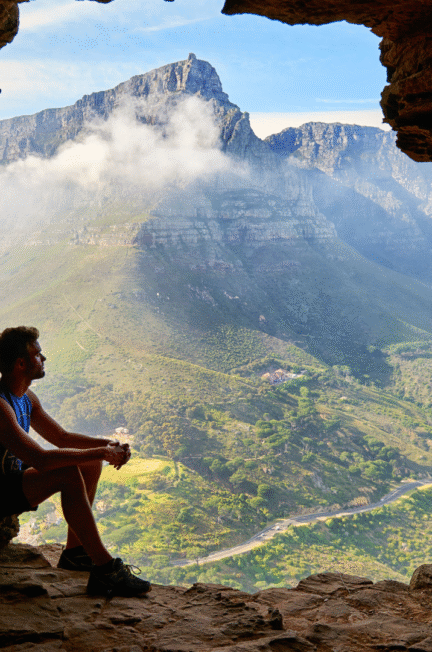

Remote travel brings unique challenges that require careful preparation. Staying safe involves understanding your environment, having reliable communication methods, and being ready for unexpected situations.
The key to safety on remote adventures is thorough planning, staying informed, and maintaining constant situational awareness. This approach minimises risks and helps travellers respond quickly to any issues.
By following practical safety measures and respecting local conditions, travellers can enjoy the experience while protecting themselves from common dangers in remote locations.
Preparing for Your Remote Travel Adventure
Preparation involves gathering reliable information on the destination, drawing precise travel plans, and respecting the environment and people. These steps reduce risks and increase the chances of a successful journey in remote locations.
Researching Destinations and Travel Advisories
Before travelling, they must research the remote destination thoroughly. Official government websites like the Foreign, Commonwealth & Development Office provide up-to-date travel advisories highlighting health risks, political instability, and natural hazards.
They should also check recent traveller reviews and local news reports. Understanding the area’s geography, climate, and seasonal changes is crucial for timing visits and avoiding dangerous conditions.
Key documents include vaccination requirements and emergency contacts in the region. This research helps in assessing the destination’s safety and necessary preparations.
Planning Routes and Itineraries
Detailed route planning is vital when exploring remote locations. They should map out primary and alternative paths, including stops for rest, refuelling, or supplies.
Using GPS devices with offline maps is recommended as mobile signals can be weak or nonexistent. Sharing the itinerary with someone trustworthy is essential for emergency tracking.
Timing is critical; planning travel during daylight and avoiding harsh weather improves safety. They must also prepare contingency plans for unexpected events like equipment failure or illness.
Understanding Local Customs and Laws
It is essential to study local customs, culture, and laws before arrival. Many remote areas have specific traditions, dress codes, and social behaviours that travellers must respect.
Legal regulations around permits, photography, and protected areas may be strict. They should ensure compliance to avoid fines or detention.
Learning basic phrases in the local language shows respect and can aid in communication during emergencies. Awareness of local etiquette improves relations with communities and prevents misunderstandings.
Essential Safety Equipment and Packing
Preparation for remote travel requires careful selection of gear to maintain orientation, communication, and physical well-being. Key equipment includes reliable navigation tools, effective communication devices, thorough emergency supplies, and sufficient power and hydration solutions to handle challenging environments.
Navigation Tools and Offline Maps
Accurate navigation is critical in remote locations. GPS devices with pre-loaded offline maps ensure travellers can find routes without a mobile signal. A reliable compass serves as a vital backup in case of electronic failure.
Download detailed offline maps compatible with GPS units or smartphone apps before departure. Paper maps should also be carried, stored in waterproof cases. This combination helps maintain direction when technology falters.
Portable GPS devices often include waypoints and tracking features for easy route recording. Verify battery life and consider spare batteries or power banks designed for extended use.
Communication Devices and Staying Connected
Staying in contact plays a vital role in safety. Satellite phones offer the broadest coverage where mobile networks are absent. Satellite communicators enable text messaging and GPS location sharing without cellular service.
Personal locator beacons (PLBs) are essential in emergencies, sending distress signals with precise GPS coordinates to rescue services. Register devices with emergency contacts beforehand to ensure a rapid response.
Carrying a basic mobile phone for areas with sporadic coverage supplements satellite options. A list of emergency contacts should be easily accessible and shared with a trusted person not on the trip.
Emergency Supplies and First Aid
A well-stocked first aid kit tailored to the travel environment is necessary. It should include bandages, antiseptics, pain relief, and any personal medication. Include items like insect repellent and allergy treatments if relevant.
Essential safety gear, such as a multi-tool and flashlight, enhances capability in unexpected situations. Flashlights with extra batteries improve visibility in low-light conditions.
Emergency blankets, a whistle, and signalling mirrors are practical additions for creating distress signals visible to rescuers. Knowledge of how to use these tools increases their effectiveness.
Power, Hydration, and Weather Preparedness
Reliable power sources keep devices operational. Carry high-capacity power banks or portable chargers compatible with GPS, phones, and communication devices, ensuring multiple full charges.
Water management involves carrying sufficient hydration supplies and water purification options, such as tablets or filters. This reduces the risk of dehydration or illness due to contaminated water.
Adaptability to weather is crucial. Pack rain gear suitable for your environment and monitor weather forecasts frequently. Having updates on conditions and the location of the nearest hospital informs decisions during adverse weather.
Safety Practices and Survival Skills
Understanding how to navigate unfamiliar terrain, respond to wildlife encounters, and signal for help can be crucial when travelling in remote areas. These skills reduce risk and improve chances of a safe return.
Navigating Remote Trails and Terrain
Travel safety depends heavily on accurate navigation. Visitors should use a detailed topographic map and a reliable compass or GPS device. Electronic devices must have spare batteries or a power bank.
It is important to mark waypoints and check the trail frequently. Avoid shortcuts across unknown ground to prevent injuries or getting lost. Staying on marked trails protects nature and reduces accidents.
Familiarity with local landscape features helps in recognising landmarks. Travellers should leave their planned route and expected return time with emergency contacts. This aids search efforts if needed.
Wildlife and Environmental Awareness
Knowing local wildlife behaviour is vital for safety. Maintaining a safe distance from animals minimises risk. Feeding or provoking animals must be avoided to prevent dangerous encounters.
Travellers should carry bear spray or deterrents where relevant. Proper storage of food in sealed containers keeps animals away from campsites. Awareness of environmental hazards like poisonous plants and insects is also essential.
Weather conditions in remote nature can change suddenly. Appropriate clothing and equipment reduce the risk of hypothermia or heat exhaustion. Checking forecasts before setting out supports better planning.
Emergency Procedures and Distress Signals
Immediate action during emergencies improves survival chances. Travellers should memorise key emergency numbers and nearest hospital locations. Carrying a whistle, mirror, or signal flare can attract attention.
A standard distress signal includes three short bursts of sound or light repeated at intervals. If lost, staying put conserves energy and increases visibility for rescuers. Using a fully charged mobile phone or satellite communicator aids in contacting emergency services.
Preparation is critical: travellers should learn basic first aid and carry a well-stocked kit. Practising emergency drills before departure can ensure quicker, more effective responses in critical situations.
Responsible and Mindful Exploration
Remote travel demands careful attention to personal well-being, respect for the environment, and thoughtful interaction with local cultures. Maintaining healthy routines, understanding cultural norms, and reducing environmental impact are key to a safe and respectful adventure.
Healthy Habits and Mental Resilience
Staying hydrated is critical, especially in remote areas where water sources can be scarce or unsafe. Travellers should always carry sufficient clean water and consider purification methods, such as tablets or filters.
Regular meals and balanced nutrition help maintain energy levels. Rest is essential to recover from physical exertion and avoid exhaustion.
Mental resilience can be built by preparing for unexpected challenges. Having comprehensive travel insurance provides financial security in emergencies. Adapting to isolation or limited communication requires patience and maintaining contact plans with trusted contacts.
Respecting Nature and Local Communities
Following the Leave No Trace principles minimises environmental disruption. This includes disposing of waste properly, avoiding damage to plants, and keeping to established trails.
Understanding and respecting local culture is paramount. Travellers should learn basic customs and etiquette, dress appropriately, and seek permission before photographing people or sacred sites.
Engaging positively with local communities by supporting small businesses and artisans promotes sustainable economic benefits. Respectful behaviour fosters goodwill and safer interactions.
Sustainable and Low-Impact Travel
Minimising carbon footprints starts with choosing eco-friendly transportation and reducing unnecessary flights. Compact, reusable gear reduces waste and environmental strain.
Avoiding single-use plastics and carrying out all rubbish prevents pollution. Campfires should be avoided or kept small and in designated areas only.
When possible, travellers should engage in conservation projects or local environmental initiatives. This contributes directly to preserving natural sites and assists local environmental efforts.