Preparing for a multi-day hiking expedition requires more than just physical fitness; it demands careful planning and gear selection. The key to successful preparation is ensuring proper nutrition, suitable equipment, and realistic itinerary planning.
Understanding the terrain, weather conditions, and your personal limits will help prevent common issues like exhaustion or injury. Taking time to pack efficiently and test gear can make a significant difference during the trip.
By focusing on these essential areas, anyone can approach a multi-day hike with confidence and clarity. This guidance will cover practical steps to get ready for the challenges ahead.
Planning Your Multi-Day Hiking Expedition
Preparation requires selecting a suitable route, understanding the challenges posed by terrain and elevation, evaluating weather patterns, and ensuring compliance with local regulations. These elements shape the safety and enjoyment of the outdoor adventure.
Choosing Your Route and Destination
Selecting a route is crucial for a successful multi-day hiking expedition. Hikers should consider their fitness levels and experience when choosing distances and daily elevation gains. Popular trails often offer established campsites and water sources, reducing logistical complexity.
Accessibility matters; proximity to transport and emergency services affects planning. Detailed maps and GPS data help evaluate trail difficulty. Routes through national parks may feature marked paths and visitor centres, beneficial for navigation. Prioritising objectives—scenery, wildlife, terrain type—guides the choice effectively.
Understanding Terrain and Elevation
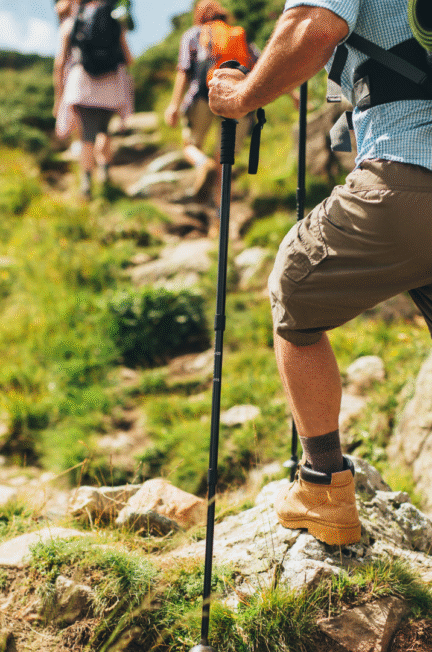
The terrain influences walking speed, energy expenditure, and equipment needs. Rocky or uneven paths require sturdy footwear and careful pacing. Dense forests or marshy areas can slow progress and demand waterproof gear.
Elevation gain impacts physical effort; gradual ascents differ greatly from steep climbs. Altitude sickness risk increases above 2,500 metres, so acclimatisation should be factored in. Elevation profiles on trail guides indicate where breaks and overnight stops might be necessary. Backpackers must balance pack weight with terrain demands.
Assessing Weather Conditions
Weather influences gear choices and daily plans for multi-day hiking expeditions. Checking forecasts for temperature, precipitation, and wind provides insight into potential hazards. Mountainous areas can experience rapid changes, so contingency plans are essential.
Seasonal patterns matter; spring and summer usually offer milder conditions but may bring insects or crowded trails. Autumn can provide stable weather but shorter daylight hours. Waterproof clothing and layers help adapt to variable conditions. Weather-related risks include hypothermia and dehydration.
Securing Permits and Regulations
Many popular multi-day hiking routes require permits for camping or hiking, often limited to reduce environmental impact. Early application may be necessary, especially for peak seasons.
Regulations can cover campfire restrictions, waste disposal, and designated campsites. Familiarity with local rules avoids fines and supports conservation efforts. Confidential contact points for emergencies are often provided with permits. Backpackers should research and comply fully with legal requirements before setting out.
Selecting Essential Gear and Equipment
Choosing the right gear is crucial for a successful multi-day hiking trip. It ensures safety, comfort, and efficiency during the journey. Each item should be carefully selected to balance weight, durability, and functionality.
Backpack and Carrying System
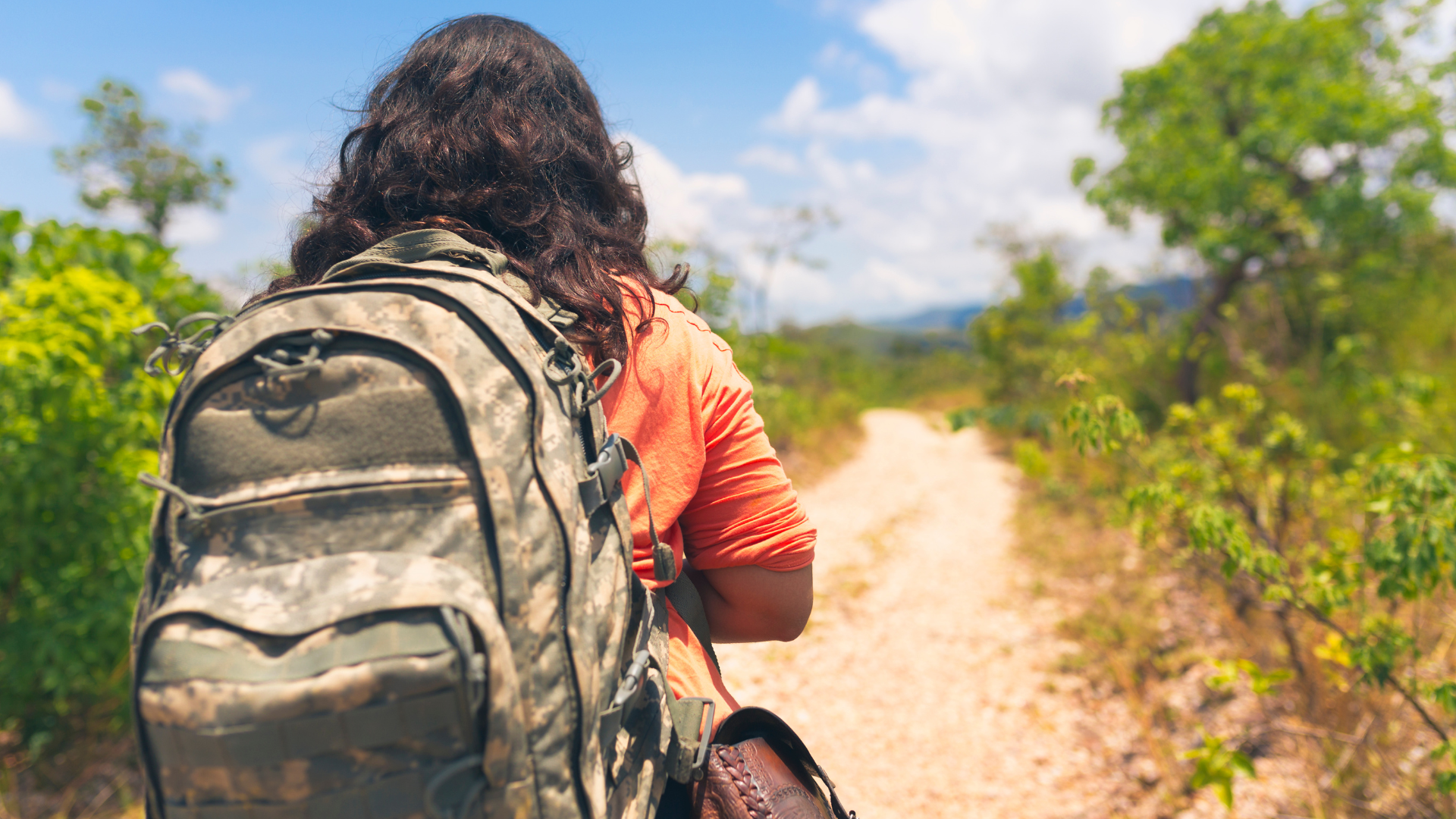
A well-fitted backpack with an adjustable suspension system is vital. For most multi-day hikes, a pack with a 50-70 litre capacity suits typical loads. Look for padded shoulder straps, a sturdy hip belt, and ventilation to reduce sweat buildup.
Weight distribution is key. The heaviest items should sit close to the back centre to maintain balance. Compression straps help stabilise the load, preventing unnecessary shifting.
Additional features like multiple compartments and external attachment points offer quick access to essentials like a water bottle or rain jacket. Backpacks designed for backpackers often include hydration reservoirs, which reduces the need to stop and unpack.
Shelter and Sleeping Arrangements
Carrying the right shelter, usually a tent, protects from the weather and insects. Lightweight, four-season tents are ideal for unpredictable conditions. Prioritise ease of setup and durability when selecting.
For sleeping, a properly rated sleeping bag is essential. Its temperature rating should match or exceed the coldest conditions expected. Down bags offer an excellent warmth-to-weight ratio but require care. Synthetic bags perform better when wet.
A sleeping mat adds insulation from the cold ground and improves comfort. Consider the weight and packed size of all items in the shelter and sleeping system.
Navigation Tools and Maps
Reliable navigation depends on quality topographic maps, a compass, and a GPS device, where possible. Paper maps remain indispensable as electronic devices can fail.
Hikers should know how to use a compass with local maps for accurate orientation. GPS devices provide precise location tracking but must be fully charged and often act as a backup.
It is important to plan the route in advance and note significant landmarks and elevation changes. Carrying a durable map case protects paper maps from weather damage.
Clothing and Footwear
Clothing must provide protection against varying weather and terrain. Layering is essential: base layers for moisture wicking, insulating mid-layers, and waterproof outer shells.
Hiking boots should fit well around the heel and toe, provide good ankle support, and have slip-resistant soles. Breaking them in before the trip avoids discomfort and blisters.
Pack extra socks and quick-drying materials to manage damp and cold feet. Carry a first aid kit for treating blisters and minor injuries caused by footwear issues.
Food, Water, and Nutrition Strategies
Proper nutrition and hydration are critical for maintaining energy and endurance on a multi-day hiking expedition. Managing meal planning, water sourcing, and packing are essential to stay nourished while minimising weight.
Meal Planning and Preparation
Hikers should plan meals to balance calories, nutrition, and ease of preparation. Meals with high carbohydrate and moderate protein content help sustain energy and aid recovery. Common options include dehydrated meals, pasta, rice, and instant oats.
Cooking should be quick and use minimal fuel. Pre-measuring ingredients reduces time at camp. Trail mix, dried fruits, and energy bars serve as convenient snacks that supply quick energy between meals.
Packing small portions tailored to daily calorie needs avoids carrying excess weight. Using airtight bags preserves food freshness and prevents contamination.
Hydration and Water Sources
Adequate hydration supports cognitive and physical performance on long hikes. It is vital to identify reliable water sources on the trail beforehand, such as streams, lakes, or springs.
Water filters or filtration systems are necessary to remove bacteria, protozoa, and sediments. Lightweight pumps or gravity filters offer efficient purification. Carrying at least 2 litres of water per day is a practical guideline, with adjustments for climate and exertion levels.
Water treatment tablets serve as backups but may affect taste. Regular water intake, even when not feeling thirsty, helps maintain optimal hydration.
Packing Lightweight Food Options
Reducing food weight benefits mobility and energy. Lightweight, nutrient-dense foods are ideal for multi-day trips. Freeze-dried meals rehydrate quickly and weigh less than canned options.
Energy bars, nuts, seeds, and dried fruits deliver compact calories and healthy fats. These items can be eaten on the move without preparation. Combining various food groups like carbohydrates, proteins, and fats ensures balanced nutrition.
Avoiding bulky packaging saves space; repackaging into reusable silicone bags or vacuum-sealed pouches is recommended. Weight management should never compromise essential nutrient intake.
Fitness, Safety, and Environmental Responsibility
Preparing for a multi-day hiking expedition requires physical readiness, careful safety measures, and respect for the environment. Proper training builds endurance and strength, while first aid knowledge and safety actions reduce risks. Practising environmental stewardship preserves natural areas and safeguards both hikers and wildlife.
Physical Training and Preparation
Effective physical training focuses on building endurance, strength, and flexibility. Strength training exercises such as squats, lunges, and stair climbing enhance leg muscles and improve balance. These are crucial for handling uneven terrain and carrying a loaded backpack.
Regular practice hikes help develop stamina and acclimatise the body to long distances and varied elevations. It is important to gradually increase distance and pack weight to simulate expedition conditions. Consistent training reduces the risk of injury during the hike.
First Aid and Safety Precautions
Carrying a well-stocked first aid kit tailored for wilderness conditions is essential. Basic supplies should include bandages, antiseptics, blister treatment, pain relievers, and any personal medications. Wilderness first aid knowledge enables a timely response to injuries such as sprains, cuts, or dehydration.
Safety precautions involve notifying someone of the route and expected return, carrying a reliable map and compass or GPS, and understanding weather forecasts. It is vital to recognise signs of hypothermia or heat exhaustion and take prompt action. Emergency communication devices can be lifesaving in remote areas.
Leave No Trace in the Wilderness
Following Leave No Trace principles minimises environmental impact. Key practices include packing out all rubbish, avoiding damage to vegetation, and camping on durable surfaces. Human waste must be disposed of in accordance with local regulations, often by using designated latrines or burying waste at least 60 metres from water sources.
Campfires should be avoided in areas with fire bans or where wood is scarce. Where fires are permitted, use existing fire rings and keep fires small. Always ensure the fire is completely extinguished before leaving the site.
Wildlife Encounters and Campfire Safety
Understanding wildlife behaviour reduces the risk of dangerous encounters. Food must be stored securely using bear-proof containers or hung at safe heights to avoid attracting animals. Hikers should maintain a safe distance from all wildlife and never feed animals.
Campfire safety requires constant supervision, suitable fire materials, and a clear perimeter free from flammable debris. Water or soil should be on hand to quickly control or extinguish flames. Before leaving, confirm the fire is fully out and cold to the touch to prevent wildfires.