Local wines can elevate traditional dishes, enhancing the overall dining experience. Understanding the flavour profiles of both the wine and the dish is essential for creating harmonious pairings. This knowledge allows enthusiasts to appreciate not just their meal but also the cultural significance behind each choice.
Each region boasts unique wines that complement its local cuisine. For instance, a robust red wine might pair beautifully with a hearty meat stew, while a crisp white could enhance a delicate seafood dish. By exploring these combinations, one can uncover a world of tastes that celebrate both the dish and its accompanying beverage.
Venturing into the art of pairing local wines with traditional dishes invites culinary exploration. It encourages individuals to appreciate regional offerings and fosters a greater connection to the food, wine, and culture that defines them.
Fundamentals of Pairing Local Wines with Traditional Dishes
Successful wine pairing requires a deep understanding of flavours, textures, and the impact of cooking methods. Effective pairings enhance both the food and wine, creating a harmonious dining experience.
Understanding Flavours and Textures
Flavours in wine and food can complement or contrast to create balance. For instance, a rich, buttery Chardonnay may pair well with creamy pasta, as their textures align. Conversely, a sharp Sauvignon Blanc can cut through the richness of a fatty dish, providing a refreshing contrast.
Identifying the dominant flavours in a dish is crucial. Salty flavours may call for a wine with higher acidity, while sweet dishes usually pair better with wines that possess similar sweetness levels. Understanding these combinations enables one to craft thoughtful pairings.
The Role of Acidity, Sweetness, and Tannins
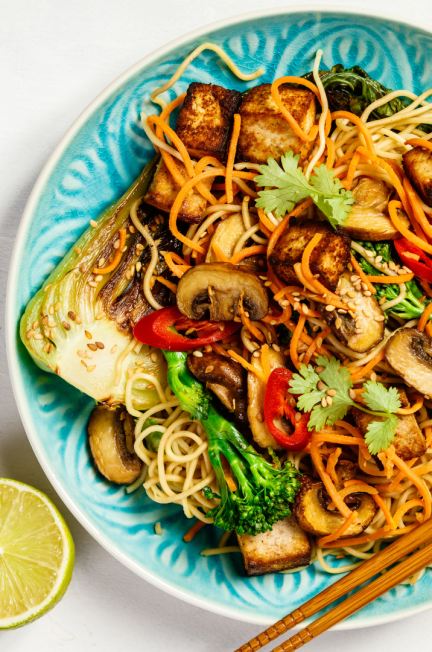
Acidity in wine is a key element that influences pairing. Wines with high acidity can enhance fresh dishes, such as salads or seafood, while low-acidity wines may better suit richer, hearty meals. Sweetness balances spiciness in dishes, making off-dry wines ideal for spicy Asian cuisines.
Tannins add structure and often come from red wines. They can complement meaty dishes, as the tannins soften when paired with protein. It is essential to consider the level of tannins in both wine and dish to achieve a well-rounded flavour profile.
Impact of Cooking Methods on Pairings
Cooking methods significantly alter the flavour and texture of food. Grilling imparts smoky notes, which may complement a robust red wine. For example, a char-grilled steak pairs well with a full-bodied Cabernet Sauvignon.
Conversely, steaming or poaching results in lighter dishes. These require wines that are equally light and fresh, such as Pinot Grigio or Riesling. Understanding the cooking method helps in selecting a wine that aligns with the dish’s intensity and texture.
Exploring Classic Food and Wine Pairings by Region
Regional food and wine pairings reflect the unique culinary traditions and local ingredients of each area. Understanding these pairings can enhance meals and highlight the nuances of both wine and food.
European Traditions: France, Italy, and Spain
France is renowned for its intricate food and wine pairings. For instance, Bordeaux wines complement beef dishes, while Chardonnay pairs well with creamy sauces. Italy showcases Chianti alongside Tuscan pasta dishes and Barolo with rich meals like osso buco. In Spain, Rioja wine is ideal with grilled meats, and Sherry often accompanies seafood tapas. Each country has distinct wine styles that harmonise beautifully with its traditional cuisines, making regional pairings essential for authentic dining experiences.
Pairing Local Wines in the UK and Europe
In the UK, local wines like English sparkling wine pair effectively with a range of dishes, including fish and chips and chicken roasts. Regions like Sussex and Kent produce high-quality sparkling wines that can rival Champagne. Across Europe, countries such as Portugal offer Vinho Verde with lighter dishes like salads, and Greece pairs Assyrtiko with seafood and grilled vegetables. These local wines represent the essence of their regions, showcasing unique flavours and styles that enhance traditional meals.
US Regional Pairing Approaches
The United States boasts diverse wine regions, each with distinct food pairings. For example, California Cabernet Sauvignon complements barbecued meats, particularly steak. The Pacific Northwest focuses on Pinot Noir, often served with salmon or mushroom dishes. In the South, Zinfandel pairs well with spicy barbecue and grilled sausages. These regional wines reflect local agricultural practices, with many winemakers emphasising sustainable methods and home-grown produce.
Unique Pairings from Around the World
Globally, wine pairings vary widely, offering unique combinations. In Argentina, Malbec is famously paired with grilled beef, showcasing the country’s asado tradition. South Africa offers Pinotage, often enjoyed with braai or barbecued meats. In Australia, fresh Shiraz complements rich lamb dishes or spicy Asian cuisine, highlighting the country’s diverse culinary influences. These pairings illustrate how local wines are integral to celebrating cultural identities through food and beverage experiences.
Types of Wines and Their Ideal Food Partnerships
Wine selection plays a crucial role in enhancing dining experiences. Each type of wine has distinct characteristics that align with specific dishes, making food and wine pairing an art.
Red Wines: Robust Flavours with Hearty Dishes
Red wines, particularly Cabernet Sauvignon, are known for their rich, robust flavours. These wines typically pair well with hearty dishes, such as grilled red meats, duck, and lamb. The tannins in red wines complement the protein in these dishes, creating a balanced palate.
Other full-bodied red wines, like Malbec and Syrah, are ideal with rich sauces and game dishes. These wines often have elevated alcohol levels, further enhancing their ability to match complex flavours. It is advisable to serve red wines at a slightly warmer temperature to accentuate their full character.
White Wines and Light Dishes
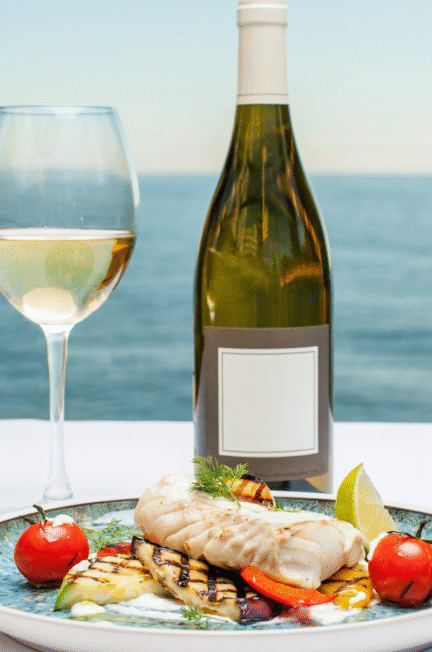
White wines, such as Chardonnay and Sauvignon Blanc, typically have crisp acidity that pairs beautifully with lighter dishes. They are often served with fish, shellfish, or poultry, where their refreshing notes can cut through richness.
Chenin Blanc and Pinot Grigio are also excellent choices for pairing with salads and vegetable-based meals. The lightness of these wines complements the delicate flavours of such dishes while enhancing overall taste. It’s essential to choose a wine with appropriate acidity to ensure it harmonises well with the food.
Sparkling and Sweet Wines in Traditional Meals
Sparkling wines, like Champagne, are versatile and can match various dishes, from appetisers to desserts. Their effervescence elevates simpler flavours, making them perfect for fried foods and canapés.
Sweet wines, such as Moscato or Sauternes, complement a variety of traditional desserts, especially those rich in flavour like cheesecakes or fruit tarts. They can also counterbalance savoury dishes with a hint of sweetness, such as spicy Asian cuisine. The right pairing can elevate both the wine and the food, creating a memorable dining experience.
Expert Techniques and Modern Trends in Food and Wine Matching
In food and wine matching, expert insights and evolving trends shape the dining experience. Knowledge from sommeliers and food experts guides pairing choices while recognising the subjective nature of taste is crucial for personal enjoyment.
Guidance from Sommeliers and Food and Wine Experts
Sommeliers are invaluable resources in the world of wine pairing. Their training involves understanding varietals, regions, and the nuances of specific foods. They often consider elements like acidity, tannin levels, and fermentation effects when recommending wines.
For instance, a sommelier might suggest a Chardonnay with a creamy seafood dish. The wine’s malic acid complements the richness of the dish, enhancing flavours. They also focus on polyphenols in red wines that can elevate the taste of grilled meats.
Taking advantage of their expertise can significantly enhance one’s dining experience, transforming a meal into a harmonious event.
Wine Tasting and the Subjective Nature of Taste
Wine tasting is an inherently subjective experience. Each person’s palate is influenced by personal preferences, cultural background, and even recent meals. What one person finds delightful, another may not appreciate.
Frequent wine consumers often develop their systems of pairing beyond standard recommendations. This can involve experimenting with unique combinations, such as pairing a bold Zinfandel with spicy Asian cuisine. Tasting notes help guide individuals in recognising their preferences.
Moreover, wine tasting helps people understand the balance of sweetness, acidity, and body, allowing for more tailored pairing choices.
Contemporary Pairing Suggestions and Recommendations
Current trends in food and wine matching embrace creativity and local sourcing. Many recommend pairing apéritifs with small bites that highlight regional ingredients. For example, a crisp Prosecco may accompany local artisan cheeses or charcuterie.
Another emerging trend is the combination of funky, low-intervention wines with bold flavours. Natural wines, often lower in sulphites and higher in acidity, can create unique pairings.
Wine pairings are also becoming more informal, encouraging diners to mix and match according to personal taste rather than strict rules. This trend fosters a more exploratory dining experience.