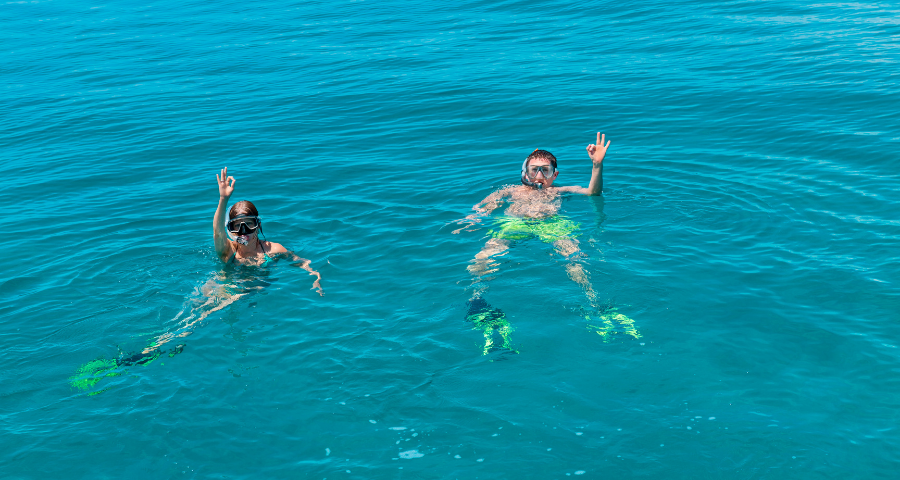

Adventure trips that combine culture and adrenaline offer a unique way to experience the world, blending thrilling activities with deep local immersion. These trips allow travellers to challenge themselves physically while gaining a meaningful understanding of the places they visit.
Such journeys might include hiking through remote villages, exploring ancient ruins by bike, or engaging in water sports alongside traditional island communities. This approach appeals to those who want more than just an adrenaline rush—they seek authentic connections and rich stories behind their adventures.
Essential Elements of Adventure Trips That Combine Culture and Adrenaline
Adventure trips combining culture and adrenaline revolve around carefully selected activities and locations. These experiences require thoughtful planning to include thrilling adventures alongside meaningful cultural engagement, ensuring travellers gain both excitement and insight.
Defining Adventure Travel Experiences
Adventure travel involves activities that require physical exertion and a willingness to take risks. Examples include mountain biking, white-water rafting, or rock climbing, where adrenaline pushes participants beyond their usual comfort zones.
Key to these experiences is authenticity—travellers seek real challenges in natural or remote settings. Adventure trips also demand safety considerations, often guided by experienced professionals who understand the terrain and risks. The itinerary usually balances endurance with rest, allowing travellers to sustain energy and focus throughout.
The Role of Culture in Adventure Itineraries
Culture adds depth and context to adventure trips. It can be woven into the itinerary through visits to historical sites, interactions with local communities, or participation in traditional ceremonies.
Including cultural elements means travellers encounter unique customs, local cuisine, and indigenous knowledge. This enriches the experience and offers a broader perspective beyond just the physical activities. Guides often facilitate these connections to ensure respectful and meaningful exchanges between visitors and hosts.
Balancing Thrills and Local Heritage
Successful trips blend adrenaline-pumping adventures with cultural immersion. For example, after zip-lining through rainforest canopies, travellers might explore nearby villages or ancient ruins. This balance prevents the trip from becoming purely recreational or solely educational.
Planning must prioritise timing and logistics, ensuring adrenaline activities do not overshadow cultural visits. A well-designed tour allows for both excitement and reflection, creating a comprehensive experience that satisfies diverse interests. Descriptions of attractions should highlight how adrenaline moments relate to the local heritage to connect the two aspects meaningfully.
Top Adventure Activities for Cultural Immersion
Adventure seekers often find deeper meaning when physical challenges intersect with rich local histories and traditions. These activities offer direct contact with both natural environments and the cultural fabric of the regions they explore.
Canyoning Through Historical Landscapes
Canyoning involves descending through canyons using techniques such as abseiling, swimming, and climbing. When practised in regions with historical significance, it transforms into a cultural journey. Some canyoning routes pass ancient ruins, rock art, or long-used trade paths.
Local guides provide insight into the stories behind natural formations and the ancient peoples who navigated these areas. This dual focus on adrenaline and history enriches the experience, making each descent a lesson in both survival skills and cultural knowledge.
Cultural Significance of Bungee Jumping Destinations
Bungee jumping is more than a thrill in several countries; it often holds spiritual or ritual importance. For example, in Vanuatu, the practice originated as a traditional land diving ritual symbolising harvest celebrations and bravery.
Jump sites frequently stand on sacred land or places tied to local myths and customs. Understanding these contexts allows participants to appreciate the activity beyond the physical challenge and respect local traditions.
Kitesurfing and Local Coastal Communities
Kitesurfing takes place in coastal areas where locals have relied on the sea for generations. Kitesurfers often interact with fishermen and small communities, providing opportunities for cultural exchange.
Many regions combine kitesurfing with local events or festivals, showcasing crafts, music, and cuisine. Learning about community life enhances the experience and supports sustainable tourism practices by fostering respect and economic benefit.
Mountain Expeditions with Indigenous Guides
Mountain climbing guided by indigenous experts offers unique insights into cultural values and environmental stewardship. Guides share knowledge of sacred sites, traditional survival techniques, and the significance of mountains to their people.
These expeditions often include stories about flora, fauna, and spiritual beliefs tied to the landscape. This connection deepens the climber’s understanding of the region and its cultural heritage through shared experience and local expertise.
Iconic Destinations for Culture-Infused Adrenaline Adventures
Certain locations blend thrilling activities with rich cultural experiences that deepen travellers’ understanding of local ways of life. These spots often combine natural landscapes with historical or traditional significance, enhancing the adventure.
Mountain Regions with Unique Traditions
The Andes in Peru offer trekking routes that pass through ancient Inca settlements and vibrant indigenous communities. Climbers experience both high-altitude challenges and the chance to witness traditional festivals and markets.
In the Himalayas, Nepal blends mountaineering with visits to monasteries and Sherpa villages. Festivals like Mani Rimdu provide cultural insight amid trekking paths.
The Dolomites in Italy pair rock climbing and skiing with historic mountain villages where centuries-old customs persist. Guests can explore local crafts and cuisine alongside adrenaline-fuelled sports.
Historic Gorges and Waterfalls
The Verdon Gorge in France mixes white-water rafting with visits to medieval villages perched above the cliffs. Visitors enjoy both energetic river descents and cultural tours of fortified towns.
Iguazu Falls, between Argentina and Brazil, offers powerful waterfalls ideal for canyoning or boat rides. Nearby, indigenous Guarani communities provide traditional art and storytelling experiences.
In Zambia, the Batoka Gorge near Victoria Falls is a prime rafting destination. Tourists can also learn about local customs and the history surrounding one of Africa’s greatest natural attractions.
Coastal Hotspots for Extreme Sports
Maui in Hawaii combines world-class windsurfing and surfing with native Hawaiian cultural shows and historical sites, enriching the water-based adrenaline experience.
The south coast of Portugal near Lagos offers surfing and cliff-diving alongside visits to ancient fishing villages and Moorish castles.
In New Zealand, the Coromandel Peninsula supports diving and ziplining adventures with opportunities to explore Maori heritage sites and traditional music, contrasting the thrill of extreme sports with cultural depth.
Practical Tips for Planning an Unforgettable Cultural Adventure
Planning a trip that blends local culture with adrenaline activities requires careful attention to selecting authentic experiences and maintaining balance. Choosing the right guides and places to stay, crafting a sensible schedule, and prioritising safety and sustainability are essential.
Choosing Local Guides and Accommodations
Selecting knowledgeable local guides is critical to gaining genuine cultural insights and ensuring safety during adrenaline activities such as abseiling or jumping into torrents. Guides familiar with the terrain and traditions provide context and practical support.
For accommodations, prioritising locally owned guesthouses or boutique hotels helps support the community economically. Look for places that offer cultural immersion opportunities, such as cooking classes or storytelling evenings. Avoid large chain hotels that disconnect guests from the region’s atmosphere.
Local guides often partner with such accommodations, making arrangements smoother. Research reviews explicitly mentioning guides’ expertise in adventurous activities and cultural knowledge. Booking through reputable platforms with a focus on sustainable tourism can mitigate risks and enrich the trip.
Building a Balanced Itinerary
Creating an itinerary that alternates energetic pursuits and cultural exploration prevents fatigue and enhances enjoyment. For example, combine a morning of abseiling with an afternoon visiting historical sites or local markets.
Include buffer time to accommodate unpredictable factors like weather or travel delays, particularly when activities involve jumping into torrents or navigating remote areas. Prioritise experiences that offer both physical challenge and cultural depth, such as guided village tours after a day of trekking.
Avoid cramming too many adrenaline experiences back-to-back. Spread activities like river trekking or canyoning so travellers can absorb cultural lessons without feeling rushed. Use a table to map activity levels and cultural activities across days for clarity and balance.
| Day | Activity Type | Notes |
| 1 | Cultural | Local market visit, cooking class |
| 2 | Adventure | Abseiling near waterfalls |
| 3 | Mixed | Village tour and river trekking |
| 4 | Rest & Cultural | Museum visit, local music evening |
Safety and Responsible Tourism
Safety measures must be a priority in adventure cultural trips. Using certified guides trained in emergency response is non-negotiable, especially for potentially risky activities involving torrents or heights. Tourists should be briefed thoroughly on safety protocols.
Respect for the environment and local customs is key to responsible tourism. Avoid disrupting natural habitats or cultural sites. Use eco-friendly gear and follow Leave No Trace principles during outdoor adventures.
Engaging with local communities respectfully means obtaining consent before photographing people or participating in ceremonies. Responsible travellers contribute to the local economy and culture without causing harm. This balance upholds the integrity of the adventure and the cultural experience.