
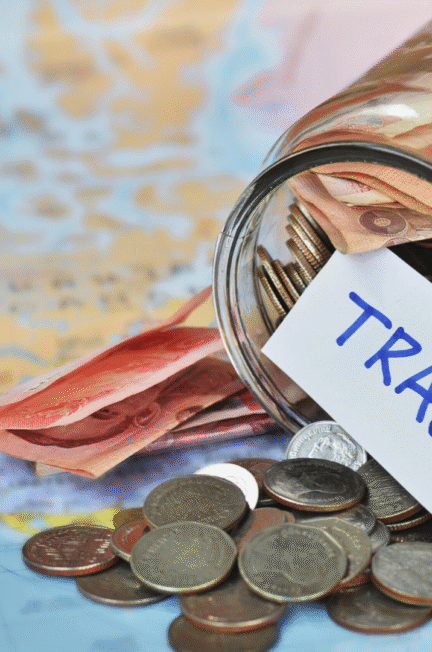
Travelling on a budget does not mean sacrificing quality or memorable experiences. By focusing on smart planning, prioritising local culture, and choosing affordable options, travellers can enjoy rich and fulfilling trips without overspending. Budget travel is about making intentional choices that maximise value.
Many assume low-cost travel limits opportunities, but it often opens doors to authentic encounters and unique discoveries. Proper research and flexibility allow travellers to explore new places deeply while keeping costs down. With the right approach, budget travel delivers great experiences through thoughtful decision-making.
Fundamental Budget Travel Strategies
Effective budget travel depends on careful planning, destination choice, and timing. Focusing on these factors helps travellers maximise their experience without overspending.
Smart Trip Planning for Savings
A well-structured itinerary can significantly reduce costs. Early booking of flights and accommodation often secures the best rates and greater availability. Travellers should use flight comparison tools and flexible date searches to pinpoint cheaper travel days.
Packing light avoids extra luggage fees and eases mobility. Planning daily expenses and prioritising free or low-cost activities helps keep the budget in check. Using local transport and dining where residents eat also cuts costs while offering authentic experiences.
Choosing Budget-Friendly Destinations
Some locations offer more value for money than others. Budget-friendly destinations often include cities or regions with lower living costs and affordable accommodation options. Travellers should research places where local currency exchanges favour visitors.
Popular budget travel tips include considering Eastern Europe, Southeast Asia, or parts of South America. These areas provide a range of budget vacation options, from hostels to street food, without compromising quality or safety.
Travelling in Off-Peak Seasons
Planning trips during off-peak or shoulder seasons reduces expenses on flights and accommodation. Many popular destinations offer lower prices when demand drops, such as autumn in Mediterranean countries or late spring in tropical regions.
Seasonal advantages include fewer tourists and a more relaxed atmosphere. Travellers can find discounted vacation packages and better availability, making it easier to experience more within a limited budget.
Accommodation Without Compromise
Finding affordable accommodation can enhance a trip without sacrificing comfort or experience. Options range from budget-friendly hostels to unique alternatives and even free lodging methods.
Staying in Hostels and Shared Spaces
Hostels provide dormitory-style rooms or private options at lower prices than hotels. They often include communal kitchens and social areas where travellers can meet others. Many hostels maintain high cleanliness standards and offer secure lockers.
Shared rooms reduce costs but may require tolerance for noise and less privacy. Choosing hostels with good reviews can ensure safety and a positive atmosphere. Some upscale hostels also provide extras like free breakfast or organised tours.
Booking in advance, especially in popular destinations, secures better rates and availability. Hostels in city centres typically offer easy access to attractions and public transport.
Exploring Alternative Accommodation Options
Airbnb and similar platforms offer budget-friendly stays in residential homes. This often provides more space and local insight compared to traditional hotels. Private rooms or entire apartments can be found to fit various budgets.
Camping is a viable option in many countries, with established campgrounds offering basic facilities at low cost. Bringing appropriate gear is essential for comfort and safety. Wild camping is possible in some regions but requires familiarity with local laws.
Other alternatives include guesthouses, homestays, and serviced apartments. These often blend affordability with privacy and a chance to experience local culture firsthand.
Finding Free or Low-Cost Lodging
Couchsurfing connects travellers with local hosts offering free accommodation. It requires mutual respect and prior communication to ensure a positive experience. This option can also provide cultural exchange and insider tips.
Volunteering at hostels, farms, or eco-projects often includes free lodging in exchange for work. Programmes vary in commitment and type of work involved. Websites dedicated to work exchanges facilitate finding suitable opportunities.
Some religious or community centres offer low-cost housing to travellers. Researching local options online or through visitor centres can reveal hidden resources for budget stays.
Maximising Value on Transport and Activities
Transport and activities often take a large portion of a travel budget. Planning ahead and choosing wisely can reduce costs significantly while still allowing for rewarding experiences.
Saving with Public Transportation
Using public transportation is one of the most effective ways to cut travel costs. Cities often offer travel cards or passes that provide unlimited rides for a fixed price over one or multiple days. This is cheaper than multiple single tickets.
Alternative airports near major cities can provide cheaper flight options. Tools like Google Flights help find the best airport choices and cheaper tickets by comparing prices. Travellers should also check if buses or trains connect alternative airports to their destination efficiently.
Walking and cycling are cost-free options to explore. In many cities, free walking tours operate on a tip basis, allowing travellers to learn about local history without upfront costs. These tours are typically informative and offer a good introduction to a new place.
Enjoying Free and Low-Cost Experiences
Many destinations offer free activities that provide rich cultural and natural experiences. Museums often have free entry days or discounted hours. Public parks and gardens offer peaceful, no-cost outdoor enjoyment.
Hiking trails outside urban centres represent excellent low-cost options for scenic views and exercise. These are accessible with minimal gear and no entrance fees. Checking local tourism websites can reveal hidden free or cheap gems, such as festivals or community events.
Prioritising free or low-cost activities helps maintain a budget without sacrificing meaningful engagement. Creating an itinerary focused on these experiences guarantees value for money.
Smart Booking and Money Management
Booking activities and transport in advance can secure the best prices and reduce last-minute costs. Travel credit cards offering rewards or cashback on travel purchases can help save money. Some cards provide benefits like free travel insurance with companies like World Nomads included.
Avoiding poor currency exchange rates means travellers should compare options for money exchange ahead of time. Local exchange offices or using cards with no foreign transaction fees will result in better value.
Travel insurance is essential to avoid unexpected expenses. Providers like World Nomads offer coverage tailored for budget travellers, protecting their investment in transport and activities while abroad.
Eating Well and Immersing in Local Culture
Eating on a budget does not mean sacrificing quality or experience. Exploring street food and markets allows travellers to enjoy authentic local flavours while engaging with the community.
Affordable Dining with Street Food
Street food offers a cost-effective way to taste traditional dishes made fresh. Popular stalls often have queues, signalling quality and authentic flavours.
He or she should try small plates or snacks like skewers, dumplings, or local pastries, which keep costs low but provide variety. Many vendors accept cash only, so carrying small change is advisable.
Street food also reflects local customs and ingredients, such as spices or preparation styles unique to a region. This provides an immersive and genuine culinary experience.
Shopping at Local Markets
Local markets are hubs for fresh produce, handmade goods, and ready-to-eat snacks at lower prices than supermarkets or restaurants.
Visitors can buy fruits, nuts, or pastries for meals on the go or prepare simple dishes if the accommodation has cooking facilities. It is useful to check opening hours, as many markets close by mid-afternoon.
Markets often have stalls selling hot food, giving a chance to try seasonal dishes and interact with vendors. They also provide insights into daily life, making shopping both economical and culturally enriching.