
Recreating global recipes at home is achievable by understanding key ingredients, cooking techniques, and flavour profiles specific to each cuisine. By sourcing authentic or equivalent ingredients and following straightforward preparation methods, anyone can bring international dishes to their kitchen.
The most important step is to focus on the core flavours and balance them correctly, as this defines the authenticity of the dish. Simple adjustments can be made depending on ingredient availability, but maintaining the primary tastes ensures a genuine experience.
With careful attention to details like spice combinations and cooking times, home cooks can confidently explore a variety of recipes from around the world without feeling overwhelmed. This approach turns global cooking into an accessible and rewarding activity.
Essential Strategies for Recreating Global Recipes at Home
Successful replication of international dishes depends on recognising the balance between ingredients, techniques, and tools. These aspects ensure the flavour integrity and texture match the original, despite local variations.
Adapting Authentic Flavours to Local Ingredients
Genuine flavours often rely on specific regional ingredients. When these are unavailable, substitutes with similar taste profiles and textures should be chosen carefully.
For example, tamarind paste can replace lemon juice in Southeast Asian recipes, providing that sour and slightly sweet element. Similarly, smoked paprika can mimic Chipotle’s smoky heat in Latin American dishes.
Maintaining key spices and herbs is vital. Grinding whole spices fresh boosts flavour authenticity. Using local produce at peak freshness also enhances results, even if exact matches are not possible.
Understanding Core Cooking Techniques
Each cuisine uses defining cooking methods that shape the dish’s outcome. Mastery of these techniques is crucial for authenticity.
For stir-fries, high heat and rapid tossing preserve texture and create the desired ‘wok hei’ flavour. Slow braising tenderises tough meats in many European and Asian recipes.
Techniques such as tempering spices, fermenting, or hand-kneading dough must be understood beyond simply following a recipe. Practising these methods helps replicate both flavour and appearance.
Selecting the Right Kitchen Equipment
Proper tools improve consistency and ease when preparing global dishes. Many traditional dishes require specific equipment for the best results.
A mortar and pestle is essential for releasing fresh spice oils in many Asian and Mediterranean recipes. A heavy-bottomed pan or a tagine ensures even cooking and heat retention.
For dough-based dishes, a rolling pin or pasta machine can replicate thin, uniform layers. Investing in equipment aligned with the cuisine’s requirements supports faithful recreation.
Sourcing Ingredients and Understanding Regional Variations
Cooking recipes from around the world often require locating specific ingredients and grasping how dishes vary by region. Understanding terminology and local adaptations ensures the recreated dish respects its origins while fitting available resources.
Finding Speciality Products and Substitutes
Some ingredients, like Indian asafoetida or tamarind paste, can be difficult to find outside specialist stores. Ethnic markets or online retailers often stock these products, making them the primary source.
When exact ingredients aren’t available, suitable substitutes can still capture the flavour. For example, lemon juice or vinegar can replace tamarind in some Indian recipes, and ground fenugreek leaves can substitute dried fenugreek seeds.
Storing spices properly is essential for preserving their aroma and potency. Whole spices stay fresh longer than ground, so buying whole and grinding before use is often recommended.
Interpreting International Recipe Terminology
Recipe terms differ by country and cooking tradition. Clarifying terms like “chopped,” “diced,” or “minced” is important, especially with vegetables and meats.
Measurement units are sometimes unfamiliar — Indian recipes might use grams, cups, or “tsp” and “tbsp.” Knowing that 1 tablespoon equals 15ml and 1 teaspoon equals 5ml aids accuracy.
Cooking techniques can also vary. Wordings like “tempering” in Indian cuisine mean frying spices in hot oil at the start to release flavours, which may be unfamiliar to some readers but are crucial to the recipe outcome.
Recognising Regional Adaptations in Dishes
Many global dishes have multiple regional versions. In India, for example, biryani alters significantly across states. Hyderabadi biryani is spiced and layered with marinated meat, while Kolkata biryani is lighter with potatoes.
Climate, local produce, and cultural history influence these variations. Northern Indian dishes often use dairy and wheat, while southern regions favour rice and coconut ingredients.
When following a recipe, identifying regional style helps adjust spices or ingredients to suit authenticity or personal preference without losing the dish’s essence.
Popular Global Recipes to Try in Your Kitchen
Home cooks can explore vibrant tastes by preparing dishes from street vendors, seafood markets, and traditional homes worldwide. Each recipe offers unique ingredients and techniques that bring authentic international flavours to a home setting.
Street Food Favourites from Around the World
Street food often represents the heart of a country’s culinary culture. Popular dishes like Mexican tacos al pastor, Thai pad thai, and Turkish simit provide bold, accessible flavours that are easy to replicate. Key to these recipes is fresh, readily available ingredients such as fresh herbs, spices, and simple proteins.
Preparation time is usually short, focusing on cooking methods like grilling, frying, or steaming. Using a mix of spices like cumin, coriander, and chilli powder adds depth. To recreate authenticity, serve with traditional sides or sauces like salsa, peanut sauce, or yoghurt dip.
Classic Shrimp-Based Specialities
Shrimp is versatile and appears in many celebrated dishes worldwide. Recipes like Spanish gambas al ajillo, Cajun shrimp étouffée, and Japanese ebi tempura showcase different cooking styles, from quick sautéing in garlic oil to deep frying in batter.
Fresh shrimp with minimal seasoning highlights the natural flavour, while more complex recipes incorporate garlic, paprika, or soy sauce. Home cooks should focus on timing, as shrimp cook quickly and can become rubbery if overdone.
Celebrated Indian Home-Style Dishes
Indian cuisine offers a wide range of home-style dishes that are rich in spices and flavour complexity. Staples include dal tadka (lentils tempered with spices), chicken curry, and aloo gobi (potatoes and cauliflower).
The use of tempering spices in hot oil, such as mustard seeds, cumin, and asafoetida, is essential for authentic taste. Slow cooking enhances flavour development. Fresh ingredients like ginger, garlic, turmeric, and fresh coriander leaves are key components.
Vegetarian and Plant-Based International Options
Plant-based cooking spans many traditions, with popular dishes like Italian eggplant parmigiana, Middle Eastern falafel, and Ethiopian injera with lentil stew. These recipes rely heavily on legumes, vegetables, herbs, and spices.
Techniques such as roasting, frying, and braising create textures and flavours that rival meat dishes. Use fresh herbs like parsley, mint, and coriander, and experiment with spices for balanced seasoning. Nutritionally, these dishes offer fibre, protein, and vitamins essential for a healthy diet.
Tips for Personalising and Perfecting International Cuisine
Success in recreating global recipes often depends on adjusting flavours, presenting dishes authentically, and handling leftovers correctly. These elements ensure the dish suits personal taste while respecting its cultural origins.
Customising Heat and Flavour Levels
Adjusting spice and flavour intensity is vital when cooking international dishes. Many global recipes rely heavily on specific herbs, spices, or chilli varieties that can be strong or unfamiliar. To personalise, start by reducing chilli or spice quantities and adding more gradually until the desired balance is reached.
Use fresh herbs like coriander or basil to enhance flavour organically. Acidic ingredients such as lime juice or vinegar can also adjust sharpness and brightness. Keeping a flavour balance chart helps track adjustments, for example:
| Flavour Element | Adjustment Tip |
| Heat | Reduce or swap chilli types |
| Salt | Add gradually, taste as you go |
| Acidity | Use lime, lemon, or vinegar |
| Sweetness | Add small amounts of sugar or honey |
Tasting at multiple cooking stages is important to ensure the dish does not become overpowering or flat.
Plating and Presentation Inspired by World Traditions
Presenting dishes with cultural authenticity enhances the dining experience. This can mean using traditional serving dishes, such as a tagine for Moroccan stew or banana leaves for South Indian meals.
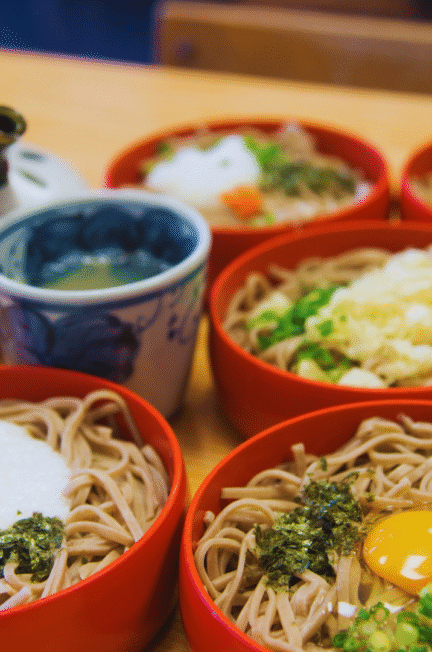
Simple touches like garnishing with specific herbs or nuts, or arranging food symmetrically, reflect global dining customs. For example, Japanese cuisine emphasises minimalist plating, focusing on colour contrast and texture.
Investing in utensils or crockery tied to the recipe’s origin increases visual appeal. It also respects the culinary heritage and offers insight into how locals enjoy the food.
Storing and Reheating Global Dishes Safely
Different cuisines often have unique ingredients that require careful storage to maintain freshness and prevent spoilage. Spiced stews or fermented dishes, such as Korean kimchi, may last longer refrigerated than other fresh foods.
Store leftovers in airtight containers and label them with the date. For most dishes—especially those containing seafood or dairy—consume within 2-3 days to avoid food safety risks.
When reheating, use gentle heat to prevent texture loss, such as low simmering or oven warming rather than microwaving at high power. Stirring regularly helps heat evenly. Proper storage and reheating preserve flavour and reduce waste.