When travelling, finding ethical wildlife encounters means prioritising the animals’ wellbeing and the environment over personal thrills. The key is to choose tours and experiences that follow strict guidelines promoting conservation and respect for natural habitats. This ensures interactions do not disturb or harm wildlife.
Travellers should look for certified wildlife operators who work closely with local conservation groups and avoid activities like touching, feeding, or capturing animals. Understanding the impact of tourism on ecosystems helps make informed decisions that support sustainable travel.
By focusing on education, preservation, and minimal interference, ethical wildlife experiences offer genuine connections with nature without compromising the animals’ health or safety. This approach benefits both travellers and wildlife in the long term.
Principles of Ethical Wildlife Encounters
Ethical wildlife encounters require clear guidelines that prioritise the well-being of animals and their habitats. Responsible tourism respects natural behaviours and helps preserve ecosystems without causing harm.
Defining Ethical Wildlife Tourism
Ethical wildlife tourism means engaging with animals in their natural environments without causing distress or disruption. It promotes observing wildlife responsibly, avoiding direct contact that can stress or endanger species.
It focuses on supporting conservation efforts, locals’ livelihoods, and education. Ethical wildlife tourism avoids exploiting animals for entertainment, such as forced performances or close interactions that alter their normal behaviour.
Tour operators and travellers must prioritise minimal interference, adhere to local laws, and support projects that contribute to animal protection and habitat restoration.
Key Differences Between Ethical and Unethical Practices
Ethical practices centre on respect, welfare, and conservation. They include maintaining safe distances, limiting visitor numbers, and refusing activities that involve animal handling or captivity.
Unethical practices often involve invasive interactions, such as feeding, touching, or using animals for photo opportunities. These harm animals physically and psychologically, and can lead to habitat degradation.
Ethical tourism also ensures transparency about how funds support conservation. Unethical operators may misrepresent their impact or prioritise profit over animal welfare.
A clear distinction exists between tours that educate and contribute to conservation, and those that exploit wildlife for commercial gain.
The Importance of Animal Welfare and Habitat Preservation
Animal welfare means ensuring animals are free from stress, injury, and unnatural behaviour changes during tourism activities. Wildlife tourism must avoid overcrowding and maintain conditions close to natural habitats.
Protecting habitats is equally crucial. Habitat preservation stops disruption of migration, feeding, and breeding patterns. This support prevents population decline and ecosystem damage.
Responsible wildlife tourism encourages travellers to choose certified operators, follow codes of conduct, and contribute to conservation programmes. Prioritising both animal welfare and habitat health sustains wildlife tourism’s long-term viability.
Recognising and Avoiding Unethical Practices
Ethical wildlife encounters depend on identifying signs of mistreatment and understanding the effects of human interaction on animals. It is also important to be aware of misleading claims made by some wildlife tourism providers.
Signs of Animal Exploitation
Animal exploitation in wildlife tourism often involves practices that prioritise profit over animal welfare. Common red flags include animals kept in poor conditions, restrained unnaturally, or forced into unnatural behaviours for entertainment.
For example, elephant rides frequently involve harsh training methods to subdue the animals. If animals appear stressed, overly submissive, or show signs of injury, these indicate exploitation.
Visitors should also be cautious of facilities that allow close contact without safety barriers, as this often means animals are unnaturally habituated or trained to tolerate such interactions.
The Impact of Feeding and Touching Wild Animals
Feeding wild animals disrupts their natural diet and behaviour, which can lead to health problems and dependency on humans. Touching or handling wildlife increases stress and the risk of injury to both animals and people.
Unregulated feeding encourages animals to approach humans aggressively or become more vulnerable to predators. It also alters animal behaviour, reducing their natural survival instincts.
Tourists should avoid all forms of feeding and touching wild animals. Even seemingly harmless gestures can cause long-term harm and contribute to poor animal welfare.
Understanding Greenwashing in Wildlife Tourism
Greenwashing occurs when businesses falsely promote themselves as environmentally friendly or ethical to attract tourists. Some animal tourism operators use terms like “sanctuary” or “rescue centre” without meeting welfare standards.
Operators may claim sustainable practices while continuing exploitative activities such as elephant rides or staged animal shows. It is crucial to research certifications and reviews from reputable animal welfare organisations.
Clear indicators of genuine ethical wildlife tourism include transparency about animal care, no forced contact, and prioritising conservation over profit. Tourists should verify claims before booking wildlife experiences.
How to Find and Choose Responsible Wildlife Experiences
Finding ethical wildlife encounters requires careful attention to the operator’s practices and how the experience aligns with conservation goals. Prioritising tours that protect animals and support local communities ensures encounters are respectful and sustainable.
Researching Operators and Destinations
Travellers should verify that wildlife tour operators follow established conservation and animal welfare standards. Responsible operators provide transparent information about their impact on wildlife and habitats.
Checking reviews from credible sources, including conservation organisations or traveller platforms, helps assess the operator’s reputation. Destinations known for sustainable tourism usually regulate wildlife experiences to minimise stress and disturbance to animals.
It is important to avoid attractions that promote direct contact or handling of wild animals, as these often indicate poor ethical standards. Instead, seek experiences where animals are observed behaviourally normally, from a safe distance.
The Role of Certifications and Conservation Projects
Certifications from recognised bodies, such as the Global Federation of Animal Sanctuaries (GFAS), offer assurance of ethical treatment and minimum welfare standards. Operators affiliated with conservation projects often reinvest income into protecting local flora and fauna.
Engagement with conservation projects ensures that wildlife encounters support broader environmental goals rather than exploit animals for entertainment. Such projects may include habitat restoration, anti-poaching patrols, or breeding programmes.
Travellers should prioritise tours linked to accredited animal sanctuaries or research initiatives. This alignment helps guarantee that experiences contribute positively to wildlife protection and biodiversity maintenance.
Responsible Observation and Interaction Guidelines
Ethical wildlife encounters follow strict guidelines to reduce impact on animals. Staying quiet, keeping a respectful distance, and avoiding flash photography are key rules to prevent animal stress.
Observers must not feed or attempt to touch wild animals, as this behaviour disrupts natural feeding patterns and can cause aggression or dependency. Guides trained in conservation methods enforce these practices during encounters.
Limiting group sizes and visit duration helps minimise disturbance. Observations should happen during appropriate times to avoid interrupting vital animal activities, such as feeding, mating, or rearing young.
Supporting Conservation Efforts and Local Communities
Choosing tours that contribute financially and socially to local communities enhances responsible tourism. This support can be through employment, education, or infrastructure that benefits both people and wildlife conservation.
Local knowledge often contributes to better wildlife management and cultural understanding. Travellers should look for operators engaging community members in guiding and conservation roles.
Conservation projects funded by tour revenues help maintain protected areas and support anti-poaching initiatives. In this way, ethical wildlife experiences become a sustainable source of income supporting long-term wildlife protection.
Examples of Ethical Wildlife Encounters Around the World
Ethical wildlife encounters prioritise animal welfare, conservation, and responsible tourism. These experiences often involve guided tours, regulated visits, and strict codes of conduct to avoid disturbing wildlife or their habitats.
Safaris and the Big Five in Africa
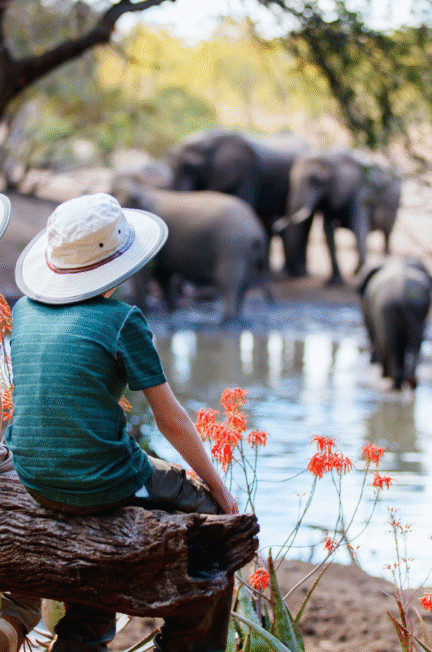
Safaris in countries like Kenya, Tanzania, and South Africa offer chances to see the Big Five—lion, elephant, buffalo, leopard, and rhinoceros—in their natural environment. Ethical safaris operate with professional guides who enforce distance rules and prevent habitat damage.
Tour operators often work with conservation projects, contributing to anti-poaching efforts. Vehicle movements follow designated paths to minimise environmental impact. Camps and lodges are built with sustainable practices, limiting waste and energy use.
Visitors are encouraged to observe quietly and avoid feeding or touching animals to maintain natural behaviours. These safaris promote education on wildlife and local ecosystems.
Whale Watching and Marine Encounters
Ethical whale watching tours are common in locations such as the Galápagos Islands and parts of the US Pacific coast. Operators adhere to strict guidelines, including minimum approach distances and limiting time near whales or dolphins.
Swimming with dolphins or whale sharks must be carefully regulated or avoided where it disturbs animals. Many tours focus instead on observation from boats, reducing animal stress and protecting marine habitats.
Education is key, with guides explaining species’ behaviours and the impact of human presence. Marine encounters emphasise conservation and respect, discouraging any interaction that could be harmful or intrusive.
Gorilla Trekking and Wildlife Observation in National Parks
Gorilla trekking, primarily in Uganda, Rwanda, and the DRC, involves small groups meeting habituated gorilla families under expert supervision. Tours limit visitors to control disease transmission risk and keep interaction time short.
Park authorities enforce strict rules on distance and behaviour, requiring masks and hand hygiene. This reduces stress on gorillas and maintains their natural routines.
Similar ethical principles apply in national parks like Yellowstone, where visitors observe bears, wolves, and bison from safe viewpoints. Rangers educate tourists about wildlife safety and habitat protection.
Visiting Ethical Sanctuaries and Conservation Sites
Sanctuaries like Elephant Nature Park in Thailand focus on rescuing and rehabilitating animals without exploiting them. Visitors witness animals living in near-natural conditions without forced interactions.
Conservation sites often involve community engagement, ensuring that locals benefit from and participate in wildlife protection. Transparent operations and non-invasive observation are hallmarks.
Such sites avoid breeding programmes for entertainment or petting zoos. Instead, they promote awareness and support scientific research, helping visitors understand challenges in wildlife conservation.