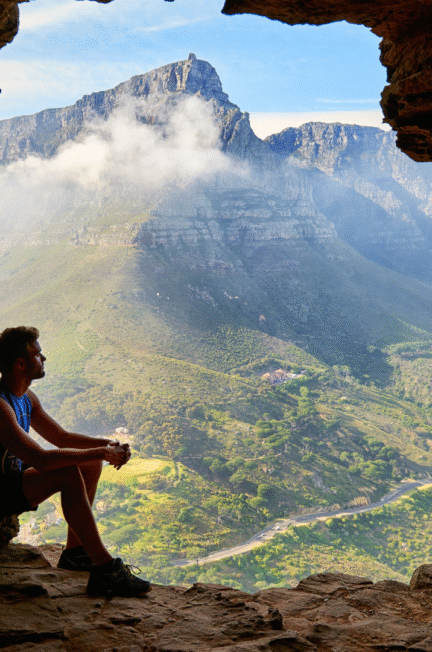
Caves, cliffs and canyons offer unique environments where nature’s forces have shaped landscapes over millions of years. These formations provide remarkable opportunities for exploration, adventure, and discovery in the great outdoors.
They combine natural beauty with a variety of activities like hiking, climbing, and spelunking, making them ideal playgrounds for all skill levels. Whether seeking solitude or physical challenge, these places appeal to those who appreciate both geological wonders and active exploration.
Each terrain presents distinct features—from the cool darkness of caves to the vast views atop cliffs and the dramatic depths of canyons. This diversity invites people to engage with nature in different and rewarding ways.
Caves, Cliffs and Canyons: Exploring Nature’s Playgrounds
These natural formations offer varied landscapes shaped by geological forces and time. They support diverse plant and animal life and provide distinctive environments for outdoor activities and wild play.
Natural Wonders: Geology of Caves, Cliffs and Canyons
Caves form primarily through the dissolution of soluble rocks like limestone, creating underground chambers and passageways. Cliffs result from erosion, tectonic activity, or volcanic processes, often exposing layers of rock in steep faces. Canyons typically develop by river erosion, cutting deep into rock over millions of years.
Rock types vary greatly, influencing stability and shape. For example, sandstone cliffs may be crumbly, while granite cliffs are solid and durable. Caves often contain stalactites and stalagmites created by mineral deposits. Understanding these geological features helps explorers anticipate conditions like loose boulders or slippery surfaces.
Outdoor Activities: Adventure and Exploration
These natural sites support activities like climbing, hiking, abseiling, and caving. Climbers use cliffs for bouldering and rope climbs, relying on rock quality and natural holds. Canyons attract walkers keen to explore deep gorges and rugged terrain. Caves offer spelunking opportunities requiring helmets, headlamps, and experience.
Safety precautions are crucial due to risks such as falling rocks, sudden water flow in canyons, and narrow cave passages. Guided tours are common in popular caves to ensure safe exploration. Water features like underground streams in caves or rivers in canyons influence the difficulty and enjoyment of activities.
From Boulders to Benches: Elements of Wild Play
Boulders scattered at the base of cliffs or in canyons serve as natural seats or climbing challenges. Their sizes and textures vary, shaping different experiences for play and rest. Fallen trees and large rocks create natural benches for observation or breaks.
Natural materials like fallen branches, stones, and leaves often become building blocks for forts or creative play structures in these environments. Flowers and plants growing near caves and cliffs enrich the setting with colour and scent. This blend of elements encourages imaginative and physical outdoor play suited to all ages.
Wildlife and Plant Life in Natural Playgrounds
These sites support specialised flora and fauna adapted to rocky, often nutrient-poor conditions. Hardy plants like mosses, lichens, and drought-resistant shrubs thrive on cliff faces and canyon floors. Trees such as pines and oaks are common around cave entrances where sunlight reaches.
Many animals use caves for shelter, including bats and small mammals. Cliffs provide nesting sites for birds like falcons and swifts. Water sources attract amphibians and insects. Seasonal flowers bloom alongside rocks, adding biodiversity to these rugged landscapes. The interaction of geological and biological elements creates unique ecosystems.
Nature Play: Benefits and Experiences
Engaging with natural environments like caves, cliffs, and canyons offers unique opportunities that go beyond typical playgrounds. Children can develop physically, mentally, and socially through structured and unstructured play surrounded by natural elements such as logs, sand, and benches.
Nature Play and Children’s Health
Playing outdoors in natural settings supports children’s health in multiple ways. Exposure to fresh air and sunlight enhances vitamin D absorption, which is essential for bone development and immune function.
Natural areas offer varied terrain, encouraging movement that strengthens muscles and cardiovascular fitness. Unlike artificial playgrounds, the uneven surfaces and objects like logs and rocks challenge balance and coordination.
Furthermore, playing in nature often reduces stress and improves mood. The sensory input from different textures, like sand or bark, helps regulate emotions and contributes to overall mental well-being.
Imagination, Creativity and Sensory Play
Natural spaces stimulate imagination in ways fixed playgrounds cannot. Children create games using elements like logs or sand as props, developing storytelling and problem-solving skills.
The sensory variety found in caves and canyons—rough rock, shifting sand, cool shadows—engages multiple senses simultaneously. This sensory play aids brain development and sharpens awareness.
Open-ended environments encourage experimentation, letting children invent new ways to interact with their surroundings. This differs greatly from predefined equipment that limits creative options.
Physical Challenges: Climbing, Crawling and Balancing
Caves and cliffs present real physical challenges requiring strength and coordination. Climbing uneven surfaces or crawling through narrow spaces builds agility and motor skills.
Balancing on narrow ledges or logs develops core stability and spatial awareness. These movements are critical for physical development but can be difficult to replicate in traditional playgrounds.
Such challenges foster confidence as children assess risks and make cautious decisions. This active problem-solving teaches resilience and improves physical literacy.
Wild Spaces for Social Interaction
Natural play areas enable collaborative play and social learning. Children can gather around benches or logs to plan activities, share tools like sticks or stones, and communicate ideas.
Unlike structured playgrounds, natural settings allow flexible group sizes and spontaneous interaction. This promotes negotiation skills and empathy as children work together or take turns.
Shared experiences in nature strengthen bonds and encourage teamwork. Engaging socially in unstructured environments prepares children for varied social situations in daily life.
Designing and Creating Nature Play Spaces
Creating engaging nature play spaces requires attention to safety, accessibility, and natural elements that encourage curiosity and physical activity. Effective designs also consider diverse age groups and abilities, ensuring inclusive and stimulating environments.
Guiding Principles for Natural Playgrounds
Designers prioritise safety by using non-toxic, rotting-resistant materials and ensuring stable structures. Incorporating risk management encourages children to challenge themselves without unnecessary hazards.
Accessibility is fundamental. Playgrounds should include ramps, clear paths, and sensory-rich elements for children of varied abilities.
The National Wildlife Federation and Natural Learning Initiative recommend maintaining a balance between free play and structured features to support imaginative and social play skills. Materials should be locally sourced where possible to reflect the surrounding ecosystem.
Sustainability is key, with designs promoting minimal environmental impact and natural regeneration of plants and soil.
Essential Features: Logs, Sand, Water and Tunnels
Logs serve multiple purposes: seating, climbing, and balancing. They connect children physically to the natural environment and encourage gross motor skills development.
Sand areas offer tactile play and fine motor learning. Water features, such as small streams or splash pads, provide sensory experiences and teach basic physics through flow and cause-and-effect interactions.
Tunnels, constructed from durable natural materials like wood or stone, invite exploration and crawling, helping children develop spatial awareness.
Including these elements contributes to creating authentic play environments that align with guidelines by play and learning places organisations.
Integrating Nature Play in Parks and Schoolyards
Incorporating nature play into existing parks increases community engagement by offering diverse outdoor activities. Designers use topography and native plants to create natural barriers and interactive zones.
Schoolyards benefit from nature play spaces by promoting outdoor education and physical fitness. Integrating learning stations near play features supports curriculum goals related to science and the environment.
Partnerships with organisations like the Natural Learning Initiative provide valuable guidance on durable, educational installations and maintenance strategies.
Clear signage and accessible entrances ensure that these spaces serve diverse users while fostering respect for nature.
Nature Play at Home and in the Community
Nature play can be encouraged both at home and in local environments, offering multiple ways for children to engage with the outdoors. Families and carers can create simple outdoor activities, while community initiatives often support structured nature play spaces for wider access. Accessibility and inclusion remain key to ensuring all children benefit.
Ideas for Families and Carers
Families can create nature play experiences using everyday materials such as sticks, leaves, soil, and stones. Simple activities like building dens, exploring gardens, or creating mud kitchens promote hands-on learning and creativity.
Incorporating natural elements into play areas at home encourages curiosity and fine motor skills. Activities might include collecting and sorting natural objects or observing insects and plants with magnifying glasses.
Carers should prioritise outdoor time, setting aside screens and encouraging children to explore safely. Regular visits to local parks or natural settings foster a connection to the environment and encourage physical activity.
Organisations and Initiatives Supporting Nature Play
The National Recreation and Park Association (NRPA) promotes parks and recreational spaces as vital for childhood development, supporting various nature play projects nationally. They provide resources for creating play spaces that integrate natural elements.
Play and Learning Places is another initiative focusing on designing outdoor environments that nurture children’s exploration and learning. They emphasise collaboration between educators, parents, and landscape designers.
Many local councils and charities also fund community nature play areas and organise events like guided nature walks, aiming to make nature more accessible and engaging for all families.
Accessible and Inclusive Nature Play for All
Inclusive design in nature play spaces considers children with physical, sensory, or cognitive disabilities. Features like smooth paths, sensory gardens, and adaptive play equipment help remove barriers.
Organisations advocate for accessible play that benefits diverse needs, ensuring children can interact with natural environments regardless of ability. This includes ramps, clear signage, and quiet zones.
At home, carers can adapt play based on individual needs using sensory-rich materials or modifying activities for varying mobility levels. Accessibility expands opportunities for learning and enjoyment in nature for all children.