Travelling often introduces people to new ingredients, techniques, and cooking styles that can enhance everyday meals. Through firsthand experience in different cultures, travellers learn practical methods that simplify cooking and improve flavour.
One key tip picked up from travelling is how to make the most of fresh, local ingredients while using minimal equipment. This approach not only saves time but also elevates the quality of home-cooked dishes.
These cooking insights come from observing local habits, markets, and kitchens abroad. They offer valuable lessons for anyone looking to bring variety and authenticity into their culinary routine.
Essential Cooking Gear for Travellers
Travellers need practical, compact, and reliable gear to cook efficiently on the go. Selecting tools that save space while ensuring safety and ease of use is critical. Equipment choices impact the speed and quality of meal preparation in unfamiliar environments.
Must-Have Tools for Meal Preparation
Basic tools like a sharp folding knife, a small peeler, and a multi-purpose spatula are essential. These multitaskers reduce the number of items carried but still allow for chopping, slicing, and stirring.
A collapsible mixing bowl is practical for limited space and versatile for prepping and serving. Lightweight plastic or silicone versions are preferred. It is also important to carry measuring spoons to ensure recipes work, especially when ingredients are limited.
Lastly, a small, sturdy pair of kitchen scissors helps with quick clean-up tasks such as cutting herbs or opening packaging, making them indispensable.
Choosing the Right Portable Stove
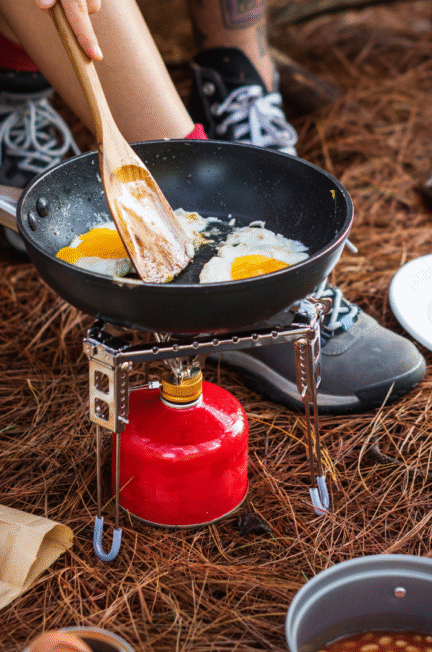
The stove should be lightweight but stable enough to cook safely outdoors or in hostels. Canister stoves are popular for their ease of ignition and adjustability.
Those cooking heavier meals may opt for liquid fuel models due to higher heat output and fuel availability. However, liquid stoves are bulkier and require careful handling.
The stove’s burn time and refuelling options must match travel duration and location. Compact stoves that pack down small often include windshields to improve efficiency.
Pack-Friendly Cutting Boards
Cutting boards must be compact but durable. Thin plastic or silicone boards are lightweight, flexible, and easy to clean. They often fold or roll to fit tight spaces.
Choosing boards with an anti-slip surface ensures stability on uneven surfaces frequently encountered while travelling. Colour-coded sets help prevent cross-contamination between raw and cooked foods.
Extra features like built-in juice grooves aid in messy tasks like chopping fruit. A board designed for portability can make meal preparation quicker and safer.
Fundamental Tips for Cooking While Travelling
Cooking while travelling requires organisation, resourcefulness, and flexibility. It involves planning meals efficiently, utilising local ingredients, and adjusting to varying kitchen setups.
Meal Planning on the Move
Effective meal planning starts with evaluating available time and cooking facilities. Travellers should prioritise simple recipes with minimal ingredients to reduce preparation time and waste.
Creating a flexible shopping list helps. It can include staple items like rice, pasta, canned beans, and spices, which complement fresh ingredients purchased locally. Planning meals in advance avoids last-minute confusion and makes it easier to track needed supplies.
Portion control is essential. Cooking only what’s necessary prevents spoilage and the need to discard excess food, an important consideration when storage options are limited.
Maximising Local Ingredients
Using local ingredients improves flavour and supports regional producers. Travellers should explore markets early in the day for the freshest produce, such as seasonal vegetables, herbs, and seafood.
Adapting recipes to incorporate these fresh items enhances authenticity and reduces reliance on imported goods. For example, substituting local herbs for familiar ones can maintain taste while fitting available resources.
When buying, look for versatile components like cured meats, cheeses, or legumes. These staples often require no refrigeration and can extend meal options, especially when combined creatively.
Adapting to Limited Facilities
Limited kitchen facilities demand creativity. Portable tools such as travel-sized knives, a small cutting board, or a compact spice kit can improve efficiency.
Many travellers encounter basic setups without ovens or multiple burners. Cooking techniques like one-pot meals, salads, or cold dishes minimise equipment needs.
Using common appliances like microwaves or electric kettles can substitute for cooking in some cases. It’s useful to learn no-cook recipes or dishes requiring minimal heating, which save time and energy while maintaining nutrition.
Global Cooking Lessons and Techniques Discovered Abroad
Travellers often encounter new cooking styles, ways to shop smartly, and practical approaches to making meals in unfamiliar kitchens. These experiences shape how they cook while travelling, improving efficiency and expanding their culinary skills.
Regional Cooking Methods
Many regions have specific techniques that influence flavour, texture, and cooking time. For example, in South Asia, soaking and rinsing basmati rice thoroughly before cooking reduces starch and achieves fluffy grains.
In Mediterranean countries, slow-simmering sauces or grilling vegetables over charcoal is common. Learning to use local spices and methods, like using a tagine in North Africa or stir-frying with a wok in Asia, can deepen understanding of ingredients and results.
These methods teach travellers to adjust heat levels and timing based on equipment and ingredients available, adapting traditional recipes for better outcomes on the go.
Efficient Use of Local Markets
Local markets are a key resource for fresh, seasonal ingredients and are often cheaper than supermarkets. Travellers learn which stalls offer the best value for fruits, vegetables, meat, and herbs by observing locals and asking questions.
Shopping in smaller quantities reduces waste and allows for more variety. Seasonal produce influences meal planning, encouraging flexibility in recipes. For example, in Southeast Asia, buying fresh herbs daily keeps dishes vibrant and avoids storage issues in hot climates.
Using local markets also means understanding basics like weighing produce, bargaining norms, and storing perishable goods safely while travelling.
Making the Most of Hostel and Airbnb Kitchens
Shared kitchens require quick, simple cooking techniques prioritising hygiene and efficiency. Basic tools like a good knife, a small pan, and a spice mix can elevate meals without requiring bulky supplies.
One tip is to prepare versatile ingredients, such as cooked basmati rice or boiled potatoes, used in multiple dishes over several days. Meal prepping and storing items in airtight containers helps manage limited fridge space and shared appliances.
Cleaning as you cook and respecting shared spaces ensures access to kitchen facilities and smooth interaction with other guests or hosts. Planning meals that need minimal cookware or use one-pot methods saves time and energy.
Memorable Recipes Picked Up on the Road
Recipes gathered while travelling often highlight the importance of local ingredients, traditional cooking methods, and resourcefulness. These dishes show how simple staples can be transformed by regional flavours and efficient cooking techniques.
Elevating Simple Dishes with Local Flavours
He discovered that even basic meals become distinctive when infused with local herbs, spices, and condiments. For example, by adding Za’atar in the Middle East or fresh lime and chilli in Southeast Asia, ordinary grilled chicken gained vibrant depth.
Using fermented sauces like Korean gochujang or Filipino bagoong also brought complexity without additional effort. Simple salads or boiled vegetables turned memorable by tossing in these condiments or freshly chopped native greens.
The approach focuses on enhancing rather than replacing the base ingredient, making recipes adaptable while reflecting the essence of each place visited.
Rice-Based Recipes from Around the World
The traveller noticed how versatile rice dishes could be, especially using long-grain varieties like basmati. In India, biryanis combine basmati rice with saffron, spices, and meat, creating a layered aroma and flavour. The precise washing and cooking techniques preserved separate grains, avoiding common mushiness.
In Spain, paella blends short-grain rice with seafood and saffron, demonstrating how rice absorbs surrounding flavours. Meanwhile, in Japan, sticky rice underpins sushi or onigiri, showcasing rice’s role beyond a side dish.
Mastering such rice preparations involves attention to detail: soaking times, water ratios, and timing, which vary significantly across cultures.
Creative One-Pot Meals for Travellers
One-pot dishes remain a favourite for travellers due to their simplicity and minimal cleanup. Several recipes from around the world focus on layering ingredients in a single vessel to develop rich, combined flavours.
In Morocco, tagines slow-cook meat with dried fruits and spices, resulting in tender textures and aromatic profiles. Similarly, West African jollof rice marries tomatoes, peppers, and rice in one pot, creating a balanced, hearty meal.
Key tips include using dense ingredients on the bottom, layering flavours, and monitoring heat closely to avoid burning or sticking. This technique also allows for flexibility in ingredients, adapting easily to what’s available locally.