For those craving a break from the noise and busyness of everyday life, choosing the right destination is key. The best dream vacation ideas for solitude include remote beaches, quiet mountain retreats, and lesser-known islands where peace is the priority. These places offer a chance to disconnect and recharge without distractions.
Solitude-seekers often look for environments that provide both comfort and isolation. Whether it’s sitting by a secluded lake, hiking through empty forests, or enjoying a cabin far from civilisation, these experiences cater to the need for stillness and reflection.
Finding such escapes requires knowing where to go and what to expect. This article explores practical options that deliver true solitude without sacrificing the comforts of a well-planned holiday.
Understanding the Allure of Solitude in Travel
Many travellers seek destinations where they can escape noise and crowds to reconnect with themselves. This appeal stems from the need for mental clarity, emotional balance, and a break from constant social interaction.
The Benefits of Quiet and Seclusion
Quiet and seclusion during travel help reduce sensory overload and mental fatigue. Being away from busy environments allows the brain to rest, improving focus and creativity.
Secluded locations often provide a sense of safety and freedom to explore personal thoughts without distraction. This piece encourages mindfulness and helps travellers recharge emotionally.
Health-wise, solitude can lower stress levels by reducing noise pollution and social demands. It also supports better sleep and enhances overall well-being.
The Rise of Peaceful Retreats
Peaceful retreats have grown in popularity as more people seek breaks from urban life and constant connectivity. These retreats often combine remote settings with wellness activities like yoga, meditation, and nature walks.
Such places prioritise simplicity, natural surroundings, and minimal technology to foster calm environments. Popular examples include mountain lodges, coastal cabins, and forest sanctuaries.
Organisers design retreats to encourage detachment from daily pressures and digital distractions. Guests leave with improved mental clarity and renewed energy.
Finding Inner Calm Through Solitary Journeys
Taking a solitary journey prompts self-reflection and personal growth. Travellers learn to enjoy their own company, building resilience and emotional independence.
Solitary travel encourages mindfulness through meditation or simply being present in nature. This process helps individuals understand their needs, values, and boundaries.
It often leads to a lasting sense of peace, enabling people to manage stress better upon returning home. The experience also supports mental health by fostering calmness and reducing anxiety.
Top Dream Destinations for Solitude Seekers
Solitude seekers often look for locations that combine quiet surroundings with natural beauty. Destinations providing peaceful environments range from towering mountains and still lakes to isolated islands and quiet coastal stretches.
Tranquil Mountain Escapes
The Julian Alps in Slovenia offer remote trails and alpine peaks that provide both challenge and serenity. Visitors can explore pristine environments without large crowds. Hallstatt, Austria, blends historic charm with mountain views, accessible yet peaceful outside peak seasons. Torres del Paine in Chile presents rugged landscapes with expansive fjords and glaciers, ideal for people wanting to disconnect entirely. These mountain areas allow for hiking, wildlife observation, and meditation away from urban noise.
Serene Lakeside Getaways
Lake Bled in Slovenia combines a calm, glacial lake with a scenic island church and forested surroundings. It remains quiet during off-peak months, attracting visitors who seek reflection over recreation. Hallstatt also exemplifies tranquillity by the lakeside, offering a small village atmosphere with few tourists in the shoulder seasons. Lakes in New Zealand provide similarly peaceful settings, with opportunities for kayaking and fishing. These sites offer locals and travellers a chance to relax in natural stillness.
Isolated Island Retreats
The Maldives features coral reefs and minimal infrastructure in many atolls, perfect for solitary beach days and underwater exploration. Greek islands like Folegandros, less commercial than Santorini or Mykonos, offer narrow paths and simple villages, promoting calm. Bali and Phuket in Indonesia hold quiet enclaves away from their more frequented tourist centres. These islands combine warm climates with low population densities to foster personal space.
Remote Coastal Hideaways
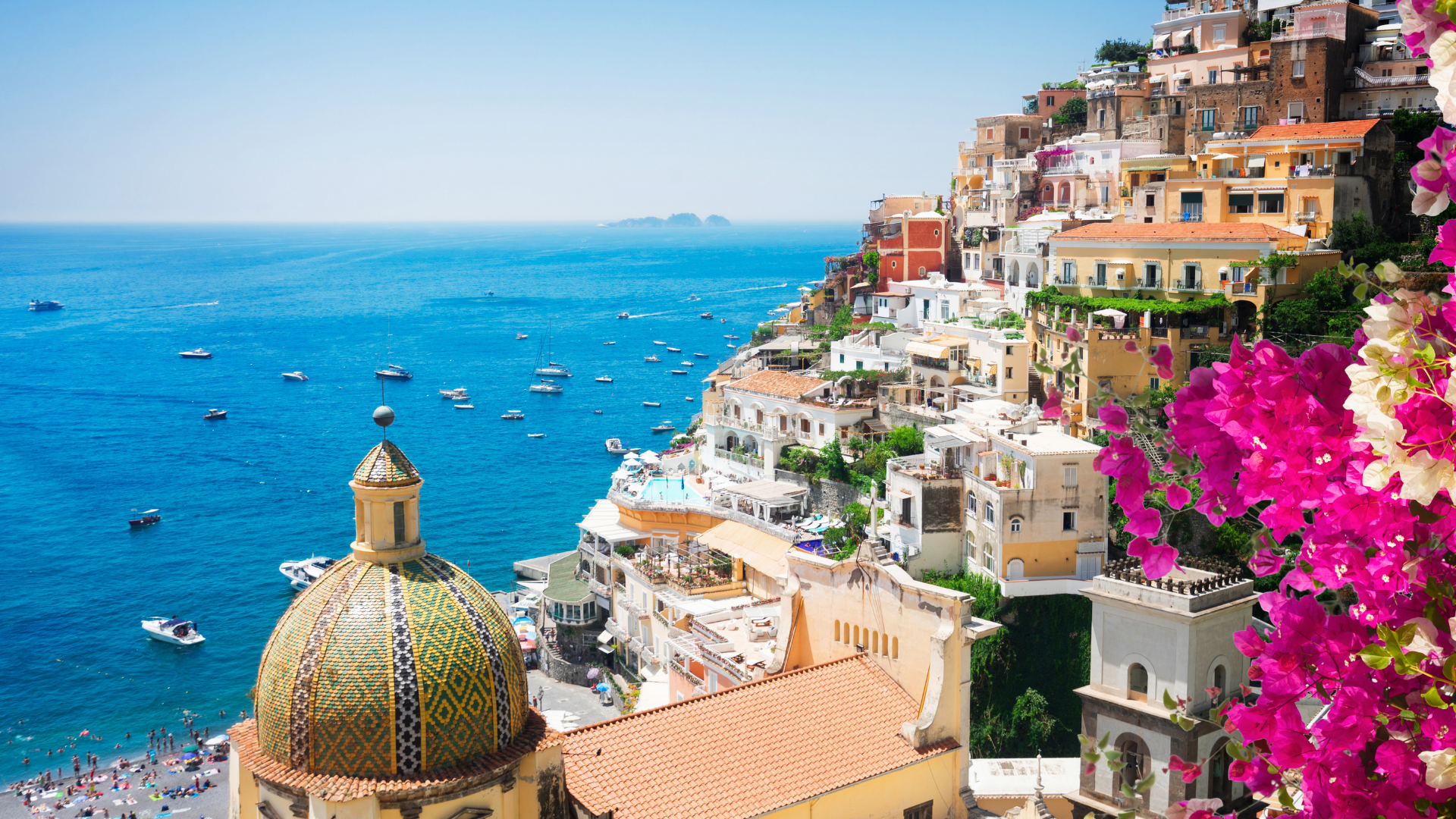
Italy’s Amalfi Coast presents cliffside villages with narrow streets and seaside views. Early mornings and off-season months provide an escape from typical crowded spots. Scandinavian fjords near Norway’s coast offer dramatic landscapes with minimal inhabitants. Coastal areas in Australia provide quiet beaches and nature reserves, allowing for solitary walks and wildlife watching. Such locations prioritise nature’s rhythm over busy tourist infrastructure.
Unique Experiences for Solitary Travellers
Solitary travellers often look for places that offer quiet reflection and personalised engagement. Whether it’s natural landscapes or cultural immersion, they seek destinations where they can connect deeply with their surroundings.
Exploring Desert Solitude
Desert environments provide vast, open spaces ideal for solitude. In Arizona, travellers can find quiet trails and remote spots away from crowds, such as the Sonoran Desert. The stillness and wide horizon enhance introspection.
Cave hotels in desert areas offer unique lodging, combining isolation with comfort. These accommodations shield guests from noise and light pollution, perfect for those wanting undisturbed rest. The stark scenery contrasts with the intimate spaces inside.
Immersive Cultural Retreats
Japan, particularly Kyoto, offers a blend of solitude and cultural richness. Small temples and traditionally quiet museums allow visitors to dive into Japanese heritage undisturbed.
Exploring rice terraces and visiting vineyards near UNESCO World Heritage sites can also provide peaceful, reflective moments. These spaces enable solitary travellers to engage with local cultures at their own pace.
Wellness and Meditation Sanctuaries
Meditation centres focused on wellness abound in remote areas globally. Many offer structured programmes in calming environments, ideal for focus and renewal.
Some wellness retreats feature dedicated meditation halls and quiet gardens. These spaces are often near natural landmarks, creating an atmosphere conducive to mindfulness and deep relaxation.
Planning and Enhancing Your Solitude-Focused Holiday
Choosing when and where to travel affects the quality of solitude experienced. Respect for the environment and local culture ensures a peaceful stay without disruption. Practical preparations can maximise moments of quietude, making the retreat more fulfilling.
Selecting the Perfect Time and Place
Travellers seeking solitude should aim for off-peak seasons to avoid crowds. Early spring or late autumn often brings fewer visitors to popular destinations like fairy-tale castles or hiking trails. Remote locations, such as isolated mountain cabins or coastal retreats, naturally provide peace and privacy.
Time of day matters too. Early mornings or late evenings tend to be quieter, offering uninterrupted views and sounds of nature. Considering weather patterns is also essential; mild, stable conditions reduce the chance of cancellations or discomfort.
Sustainable and Respectful Quiet Travel
Maintaining environmental and cultural respect is critical in solitude-focused holidays. Choosing eco-friendly accommodations minimises impact on fragile landscapes. Travellers should follow marked paths on hiking trails to protect local flora and fauna.
Engaging with local communities quietly and respectfully preserves the serene atmosphere for others. Avoiding noisy activities and adhering to designated hours for attractions, like fairy-tale castles, helps sustain the peace. Bringing reusable items reduces waste and supports sustainable travel ethics.
Practical Tips for Maximising Solitude
Preparation enhances the chance to enjoy uninterrupted quiet. Packing essentials include noise-cancelling headphones, a good book, and minimalist technology to avoid distractions. Planning routes and activities ahead reduces stress and unplanned encounters.
Booking small-scale, family-run inns or self-catering cottages offers more control over the environment. Leaving digital devices behind or using them sparingly encourages a deeper connection with surroundings. Finally, setting clear intentions for the trip can help maintain focus on solitude.