
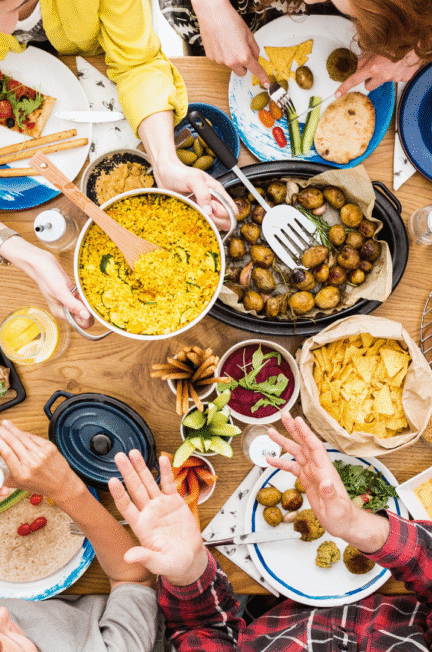
Food acts as a universal language that transcends cultural boundaries. It carries traditions, history, and shared values that people use to connect, regardless of their background. By sharing meals and recipes, individuals build bridges that foster understanding and respect across cultures.
Culinary practices often reveal a community’s identity, yet they also invite curiosity and exchange. This exchange encourages dialogue and introduces new perspectives, making food a powerful tool for social connection.
Through simple acts like cooking or dining together, people celebrate diversity while discovering common ground. The significance of food goes beyond nourishment; it creates opportunities for interaction and unity in an increasingly globalised world.
The Universal Role Of Food In Fostering Connections
Food acts as a bridge, encouraging people to come together and engage. It facilitates shared experiences that create trust, understanding, and lasting bonds across cultural boundaries.
Sharing A Meal And Building Social Bonds
Sharing a meal encourages direct interaction and open communication. In many cultures, family dinners serve as a primary setting where members reconnect, exchange stories, and reinforce emotional ties.
This act of eating together fosters a sense of belonging. Research shows that breaking bread promotes cooperation and decreases social distance. Even in professional settings, communal meals help build rapport and ease tension, creating favourable environments for social connection.
Communal Dining And Social Rituals
Communal dining often involves specific social rituals that reinforce group identity. For example, in Ethiopian culture, the sharing platter called “injera” demands cooperative eating, symbolising unity.
Similarly, Japanese tea ceremonies embed ritual and precision into a shared eating experience, signifying respect and mindfulness. These structured acts create predictable social patterns that strengthen collective identity and trust.
Breaking Bread: Hospitality Across Cultures
Hospitality around food is common worldwide but expressed in diverse ways. Offering food to guests serves as a universal welcome gesture, signalling openness and respect.
In Middle Eastern cultures, “breaking bread” with visitors is a symbol of peace and friendship. In Western settings, inviting someone to a meal often represents trust and inclusion. This practice underlines food’s role as an essential tool for fostering social connections through hospitality.
| Culture | Food Practice | Social Meaning |
| Ethiopian | Sharing an injera platter | Unity and cooperation |
| Japanese | Tea ceremony | Respect and mindfulness |
| Middle Eastern | Offering bread/meal | Peace and friendship |
Cultural Identity And Culinary Traditions
Food plays a significant role in expressing cultural identity and preserving culinary traditions. It acts as a vessel for passing down heritage while reflecting the values and history unique to each culture.
Traditional Dishes And Culinary Heritage
Traditional dishes are often rooted in a region’s history and environment. These meals use local ingredients and age-old cooking methods, which preserve culinary heritage.
For example, Italy’s risotto reflects northern agriculture, while Japan’s sushi showcases coastal resources. These dishes are more than sustenance; they embody a culture’s approach to food, seasonality, and community.
Communities maintain these recipes as a means to retain a tangible connection to their origins. Celebrations and festivals often centre on traditional foods, reinforcing communal bonds and identity.
Family Recipes And Intergenerational Bonds
Family recipes serve as a bridge between generations, often passed down orally or in handwritten form. They preserve unique flavours and techniques that standard cookbooks may not capture.
These recipes foster a sense of belonging, with preparation often acting as a communal activity. For instance, baking bread or preparing a festive meal together reinforces family ties and transmits cultural knowledge.
Such culinary traditions maintain a living history, connecting younger generations to their ancestors through taste and ritual.
Food Culture And Symbolism
Food culture extends beyond ingredients to include symbolism and social meanings attached to certain dishes. Many cultures use food to signify status, religious beliefs, or life events.
For example:
- In India, sweets are offered during religious ceremonies symbolising purity and prosperity.
- In Mexico, mole sauce is an emblem of regional pride and complex flavour heritage.
These symbolic foods shape group identity, affirming cultural values and communal cohesion through shared rituals and meanings.
Food As A Bridge For Cultural Exchange
Food connects diverse communities by encouraging shared experiences and dialogue. It facilitates understanding through participation and offers insight into cultural values and traditions.
Global Food Festivals And Community Building
Global food festivals serve as venues where cultures meet through their culinary heritage. Events like the Taste of London or the Melbourne Food & Wine Festival gather people to sample dishes such as sushi, tacos, and spiced stews from around the world.
These festivals often include potluck dinners or communal eating, which builds relationships by sharing food stories and cultural significance. They promote community building by involving local and immigrant populations, encouraging interaction beyond cultural barriers.
Organisers highlight traditional cooking techniques and culinary practices, helping visitors appreciate differing preparation methods and ingredient uses. Food festivals act as dynamic spaces for cultural exchange, celebrating diversity through shared meals and food dialogues.
Fusion Cuisine And Culinary Exchange
Fusion cuisine blends elements from multiple cultures, symbolising ongoing culinary exchange. Examples such as Korean tacos or sushi burritos represent creative approaches that marry distinct flavours and methods.
This cuisine reflects globalisation and migration, where chefs combine spices and techniques to innovate. It provides a platform for cultural expression while respecting origins, often introducing unfamiliar ingredients to new audiences.
Fusion dishes encourage diners to explore tastes they might not encounter otherwise. This fosters openness and curiosity about other traditions and values embedded in food, creating a practical and delicious form of cultural connection.
Cross-Cultural Cooking Techniques
Sharing cooking techniques serves as a practical means of cultural exchange. Techniques like fermentation, grilling, or spice blending travel across borders, enriching culinary practices worldwide.
For instance, the Japanese precision in sushi preparation contrasts with the vibrant spice layering found in Indian cooking. When these techniques are shared, they expand knowledge and appreciation of different cultural approaches.
Workshops and cooking classes focusing on these methods increase understanding of the cultural significance behind food. Learning how to handle spices or prepare specific dishes builds respect and a closer connection among cultures through shared skills.
Food’s Evolving Impact: Sustainability, Change, And The Future
Food systems are undergoing significant shifts as global challenges like climate change, resource scarcity, and social awareness reshape how people produce, consume, and value food. Efforts to improve food security, reduce waste, and leverage communication channels are vital for creating sustainable and equitable food futures.
Local Food Systems And Food Security
Local food systems strengthen communities by reducing dependency on long supply chains, which can be vulnerable to disruptions. They support food security by promoting diverse crop production suited to local climates and soils, enhancing resilience against global market fluctuations.
Farmers’ markets, community-supported agriculture, and urban farming are practical examples of local food initiatives improving access to fresh, nutritious foods. These systems also encourage shorter transport routes, reducing carbon emissions and preserving regional food traditions.
Local food systems can contribute to tackling food insecurity by providing affordable, culturally appropriate food. However, they need supportive policies and infrastructure to scale effectively while maintaining sustainability goals.
Food Waste And Sustainability
Food waste is a critical issue affecting both environmental and social sustainability. Approximately one-third of all food produced globally is wasted, contributing to unnecessary greenhouse gas emissions and lost resources like water and energy.
Reducing food waste demands interventions at multiple stages: production, retail, and consumer use. Initiatives such as better inventory management, donation programmes, and consumer education on meal planning can help address this issue.
Businesses and governments increasingly focus on sustainability by adopting circular economy principles, where unused food is composted or repurposed instead of being discarded. Tackling food waste not only reduces environmental harm but also enhances food availability and affordability.
The Influence Of Food Bloggers And Social Change
Food bloggers play a pivotal role in shaping public attitudes towards sustainability and ethical eating. Their platforms reach diverse audiences, spreading awareness about local foods, reducing waste, and supporting fair trade and sustainable agriculture.
Through recipes, storytelling, and social campaigns, bloggers encourage consumers to consider the origins and impacts of their food choices. They also highlight cultural diversity, connecting people through shared experiences around food.
The social influence of these content creators fosters community engagement and drives shifts in mainstream food consumption patterns, contributing to long-term changes in food culture and policy advocacy.