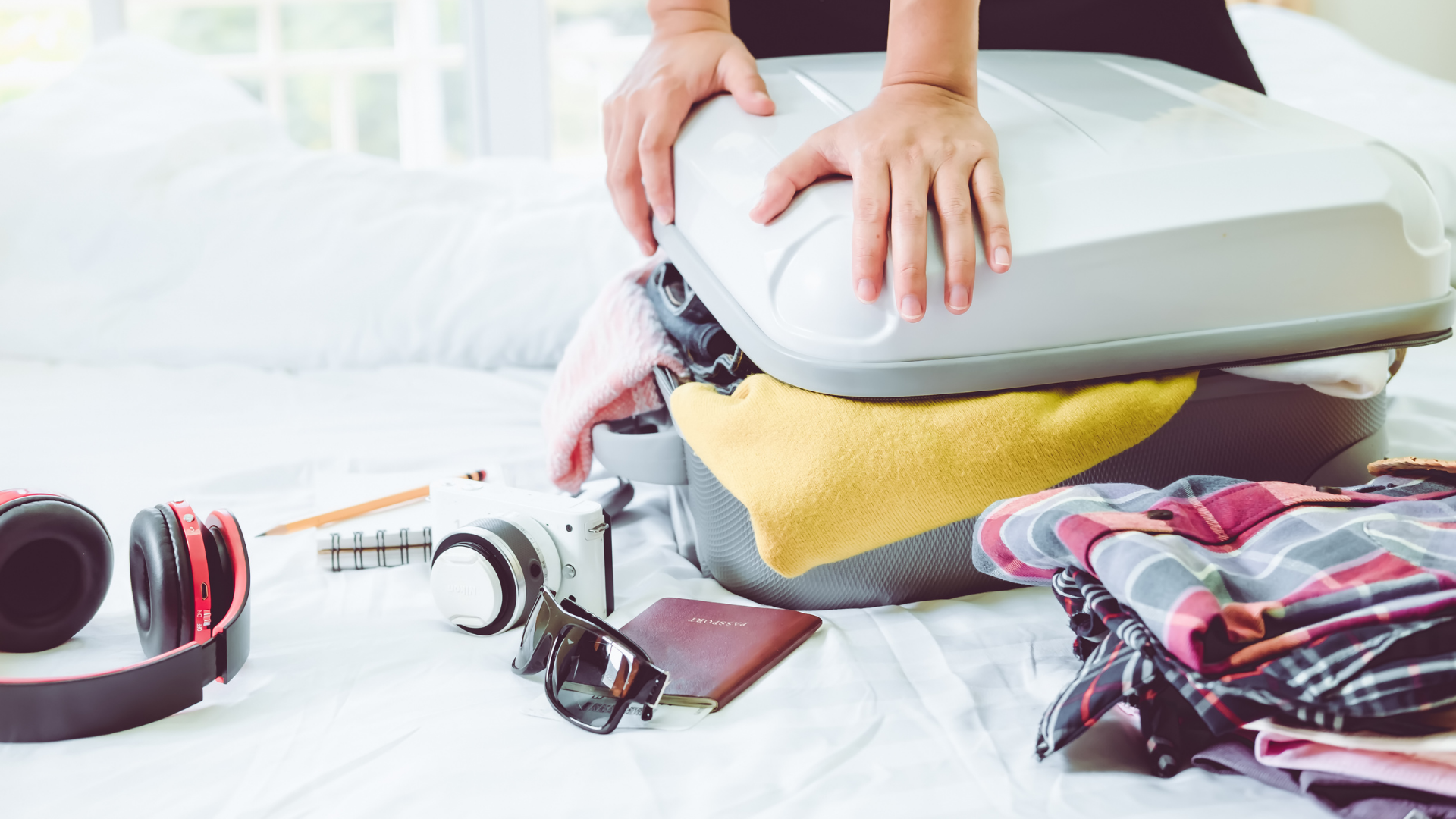

Packing light can seem daunting, especially when trying to ensure all essentials are included. The key to successful light packing lies in prioritising multifunctional items and planning outfits around a cohesive colour scheme. This approach not only reduces the number of clothes needed but also makes outfit coordination easier during the trip.
Identifying what constitutes an essential item is crucial. She should focus on versatile clothing that can be mixed and matched, as well as practical accessories that serve multiple purposes. This way, they can enjoy the benefits of a lighter load without compromising on comfort or style.
Streamlining toiletries and travel gear also plays a vital role in minimising bulk. By opting for compact, travel-sized versions of products and utilising packing cubes, he can maximise space in the suitcase. Ultimately, a well-thought-out packing strategy can enhance the travel experience, allowing for greater freedom and enjoyment.
Essential Packing Strategies for Travelling Light
Packing light demands careful consideration of one’s travel essentials. Employing effective strategies can help ensure that the necessary items are included without being weighed down by excess baggage.
Choosing the Right Carry-On Bag
Selecting an appropriate carry-on bag is crucial for minimalist travel. A travel backpack or a versatile backpack allows for mobility and comfort. Look for a bag with organised compartments and features such as adjustable straps and a padded back for ease of carrying.
Choosing a bag with a capacity of 40-50 litres typically meets airline carry-on requirements. The choice of materials is also important; lightweight, durable fabrics will aid in maintaining a lighter load.
Prioritising bags with water-resistant features adds functionality, protecting belongings during unexpected weather. A well-chosen bag serves as both a practical and stylish solution for travelling light.
Creating an Effective Packing List
A packing list streamlines the packing process and minimises forgetting essentials. Start by categorising items into clothing, toiletries, electronics, and documents. This can prevent overpacking and ensure that important items are included.
Clothing choices should focus on versatile pieces that can be mixed and matched, such as neutral colours and lightweight fabrics. Limit the number of shoes to one or two paired with different outfits.
For toiletries, opt for travel-sized containers or solid alternatives to reduce weight. This method not only lightens the load but also remains compliant with airport regulations.
Understanding the 5-4-3-2-1 Packing Method
The 5-4-3-2-1 packing method simplifies the packing process into manageable amounts. Under this system, travellers pack five items of clothing, four pairs of socks and underwear, three pairs of shoes, two accessories, and one jacket.
This method establishes clear limits, preventing overpacking. It encourages thoughtful selections of clothing that can be layered or combination worn. The focus remains on versatility and practicality.
Travellers can adjust the quantities according to personal needs, but this framework serves as a solid foundation for packing light. Adopting this approach helps ensure that essentials are not left behind during travels.
Selecting Versatile Clothing and Accessories
Choosing the right clothing and accessories can significantly reduce packing bulk while ensuring all essentials are covered. Prioritising versatility in wardrobe selections enhances functionality, allowing several outfits from a few key pieces.
Building a Mix-and-Match Wardrobe
Selecting versatile clothing pieces enables flexibility in outfit creation. A mix-and-match wardrobe should include:
- Tops: Choose a variety of shirts, including short-sleeved and long-sleeved options. These can be layered or worn alone.
- Bottoms: Opt for a couple of neutral trousers or skirts that can work with multiple tops.
- Dresses: A simple dress can be worn alone or layered with other items.
Incorporate clothing items that can transition from day to night with minimal effort. Patterns can add interest, but it’s best to stick to a cohesive colour palette for seamless combinations.
Prioritising Neutral Colours and Layering
Neutral colours form the foundation of a versatile wardrobe. Shades like black, grey, beige, and navy make it easy to mix and match. These tones provide a timeless look and can easily transition between different settings.
Layering clothing allows for adaptability in various climates. A lightweight jacket or cardigan can enhance an outfit while providing warmth. Include:
- Base Layer: Comfortable, breathable tops.
- Mid-Layer: Lightweight sweaters or cardigans.
- Outer Layer: Waterproof jackets or versatile blazers.
This strategy not only optimises space but ensures that they are prepared for changing weather conditions and different activities.
Packing Essential Accessories
Accessories play a pivotal role in enhancing outfits without taking up much space. Focus on multipurpose accessories that elevate versatility:
- Scarves: These can be worn in various styles and also provide warmth.
- Belt: Works with different outfits, adjusting fit and style.
- Hat: Offers sun protection while adding flair to looks.
Don’t forget to pack sunscreen for skin protection, especially in sunny destinations. These items allow for quick transformation of looks and additional functionality without compromising on space.
Optimising Your Packing Method
To pack light while ensuring that essentials remain accessible, effective strategies can be employed. Key techniques include using packing cubes for better organisation and opting for a carry-on to minimise the risk of lost luggage.
Utilising Packing Cubes for Organisation
Packing cubes serve as an excellent way to streamline the packing process. They allow for separate compartments in a suitcase, making it easier to locate specific items without rummaging through everything.
A typical packing cube set may include various sizes. Here’s a suggested contents list:
- Large Cube: Clothing for several days
- Medium Cube: Accessories, such as belts and ties
- Small Cube: Toiletries or electronics
Using these cubes promotes not only the organisation but also maximises space. It helps in compressing clothes and reduces wrinkles, ensuring a neat appearance upon arrival.
Avoiding Lost Luggage By Packing Only a Carry-On
Opting for a carry-on significantly decreases the likelihood of lost luggage. Many travellers experience delays or misplacement of checked bags, which can disrupt plans.
A well-packed carry-on includes must-have items like:
- Clothing: Choose versatile pieces that mix and match easily
- Toiletries: Travel-sized essentials stored in a clear bag
- Electronics: Devices and their chargers are readily available
When travelling with a carry-on, it’s vital to follow airline regulations on dimensions and weight. This approach not only expedites check-in and boarding processes but also enhances control over personal belongings.