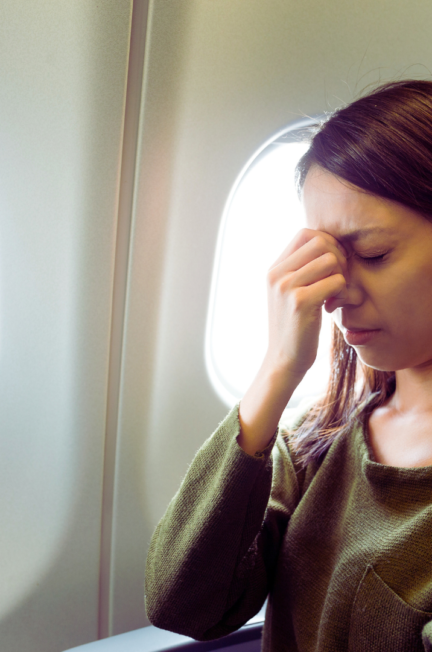
Many people experience anxiety when faced with the prospect of flying. This fear can stem from various factors, including a lack of control and fear of heights. Identifying the root cause of anxiety and employing practical strategies can significantly aid individuals in overcoming their fear of flying.
Understanding that flying is one of the safest modes of transport can help shift perspectives. Techniques such as breathing exercises, positive visualisation, and education about flight mechanics can empower those who feel apprehensive. The journey to conquer this fear involves both mental preparation and gradual exposure to flying situations.
Support networks also play a crucial role. Engaging with others who have successfully navigated similar fears can offer encouragement and insight. With the right tools and mindset, anyone can learn to manage their anxiety and embrace the freedom of flight.
Understanding the Fear of Flying
Fear of flying, or aviophobia, can stem from various sources. Key factors include different types of flight anxiety, the psychological origins of this fear, and the physical responses experienced during flights.
Types of Flight Anxiety
Flight anxiety can present in several ways. Common types include:
- General Anxiety: Worrying about the flight experience itself, including turbulence, takeoff, and landing.
- Claustrophobia: Fear linked to confined spaces, often exacerbated by being in an aircraft cabin.
- Fear of Loss of Control: Concern about being unable to influence the situation when flying.
- Fear of Heights: Acrophobia may amplify fear of flying for those uncomfortable with being airborne.
Understanding these types helps in identifying personal fears and targeting them effectively through coping strategies.
Psychological Origins of Aviophobia
Many factors contribute to the psychological aspects of aviophobia. Past traumatic experiences, such as a turbulent flight or even stories from others, can instil a deep-seated fear.
Certain mental health conditions, like generalised anxiety disorder, may also increase susceptibility to flight anxiety. Cognitive distortions, such as catastrophic thinking, can further exacerbate fears, leading individuals to imagine worst-case scenarios despite the statistical safety of air travel.
Physical Responses to Fear
The physical manifestations of fear during flight often include:
- Increased Heart Rate: A rapid heartbeat signals the body’s fight-or-flight response.
- Sweating: Excessive perspiration might occur due to heightened anxiety.
- Shortness of Breath: Many experience constricted breathing when anxious, particularly in confined spaces.
- Nausea: The combination of anxiety and the physical sensations of flying can lead to feelings of sickness.
Recognising these responses is crucial for developing coping strategies. Techniques such as breathing exercises and mindfulness can mitigate these physical symptoms, making flying more manageable.
Strategies for Managing Anxiety
Managing anxiety when flying involves a range of techniques tailored to individual needs. The following strategies include psychological therapies, practical exercises, and leveraging support from flight attendants.
Cognitive Behavioural Therapy (CBT)
Cognitive Behavioural Therapy (CBT) is an effective approach for addressing fear of flying. It focuses on identifying negative thought patterns and beliefs that contribute to anxiety.
In CBT, the individual learns to challenge these thoughts. For example, if someone believes that flying is inherently dangerous, they may be guided to evaluate the evidence for this belief.
Therapists often encourage gradual exposure to the fear in a controlled way, helping individuals face their anxiety step by step. This can include simulations or discussing flying scenarios to build confidence.
Exposure Therapy
Exposure Therapy is another powerful technique used to manage flying anxiety. It involves systematically exposing the individual to anxiety-provoking situations related to flying.
For instance, the process might begin with watching videos of planes taking off or landing. Gradually, the exposure can progress to visiting an airport and even participating in a short flight.
By facing their fear in manageable steps, individuals learn that their anxiety diminishes over time. This technique is designed to desensitise the fear response, making flying more tolerable.
Mindfulness and Breathing Techniques
Mindfulness and breathing techniques can provide immediate relief from anxiety symptoms. Practising mindfulness encourages an individual to focus on the present moment rather than worrying about potential dangers during the flight.
Deep breathing exercises are also beneficial. Techniques such as the 4-7-8 method (inhale for 4 counts, hold for 7, exhale for 8) can help calm the nervous system.
Incorporating these exercises before and during the flight can lower anxiety levels significantly. Regular mindfulness practice can lead to long-term improvements in managing anxiety.
The Role of Flight Attendants
Flight attendants play a crucial role in supporting anxious passengers during flights. They are trained to recognise passengers experiencing anxiety and can provide reassurance.
Passengers can benefit from communicating their fears to the flight attendants. This allows the crew to offer additional support, whether it’s regular check-ins or providing information about the flight.
Choosing an aisle seat can also help. It allows for easier movement to the lavatory and can provide a sense of control, which may help reduce feelings of anxiety. Flight attendants are there to make the journey more comfortable and safe.
Professional Interventions and Medications
Addressing the fear of flying often requires professional assistance. Interventions such as psychotherapy, hypnotherapy, and the use of anti-anxiety medications can be effective options for individuals struggling with flight-related anxiety or phobia.
When to Seek Psychotherapy
Individuals with a significant fear of flying may benefit from psychotherapy when their anxiety interferes with daily life. A mental health professional can help identify triggers and work on coping strategies. Cognitive-behavioural therapy (CBT) is frequently employed to challenge irrational thoughts about flying.
Sessions typically involve exposure therapy, where clients gradually face their fears in a controlled manner. This method can desensitise them to the thought of flying. Patients should consider psychotherapy especially if they experience panic attacks or severe distress when anticipating a flight.
Utilising Hypnotherapy
Hypnotherapy can be a beneficial tool for those dealing with the phobia of flying. A qualified hypnotherapist guides the individual into a relaxed state, which can help access the subconscious mind. This approach aims to reframe negative associations with flying.
During a session, the therapist may use positive suggestions to foster a sense of calm and safety regarding air travel. Hypnotherapy can also help alleviate anxiety symptoms in other areas of life, supporting overall mental health. Individuals may find that this method enhances their confidence when approaching the prospect of flying.
Anti-Anxiety Medications
Anti-anxiety medications can provide immediate relief for those experiencing intense fear of flying. Common options include benzodiazepines, which work quickly to reduce anxiety levels. A healthcare provider can prescribe these medications on an as-needed basis, typically before a flight.
Using medication should complement other treatment methods like psychotherapy or hypnotherapy, rather than serve as the sole solution. Patients must discuss potential side effects and interactions with their doctor to ensure safety and effectiveness. The right approach will depend on individual circumstances and should be tailored to specific needs.
Practical Tips for Air Travel
Preparing for air travel can significantly reduce anxiety related to flying. Practical steps can help create a smoother experience, from pre-flight preparation to managing discomfort during the flight.
Pre-Flight Preparation
Thorough preparation can ease the fear of flying. Researching the flight can provide essential facts about the aircraft, flight path, and expected conditions.
A checklist can help manage anxiety. Important items might include essentials like tickets, identification, and any medications.
Practising breathing exercises before the trip can be beneficial. These techniques calm the mind and body. Simple deep breathing can help regulate anxiety levels when anxiety rises.
Consider arriving at the airport early. This allows ample time to navigate security and find the gate. A relaxed start to the journey can make a significant difference.
Informing the airline about specific needs related to anxiety can lead to support. Many airlines have protocols for assisting passengers with anxiety.
Coping with Turbulence
Turbulence can be unsettling for passengers. Understanding that it is a normal part of flying can help alleviate fear. It often occurs due to atmospheric changes and is typically harmless.
During turbulent moments, focusing on breathing exercises can help reduce anxiety. Deep inhalations and slow exhalations can calm the mind.
Listening to music or engaging with an audiobook can distract from discomfort. Selecting calming sounds can create a more relaxed atmosphere.
A strategy for managing discomfort includes staying seated and buckling up. This is not only a safety measure but helps prevent unnecessary stress about movement.
Choosing the Right Seat
Selecting an appropriate seat can impact comfort during flights. An aisle seat often allows easier movement, reducing feelings of claustrophobia.
It may also provide convenient access to the restroom, which can alleviate anxiety about discomfort during longer flights.
Research indicates that seats over the wings experience less turbulence. This can contribute to a smoother flying experience, ideal for anxious travellers.
Choosing a seat near the front might also lessen cabin noise, creating a more serene environment. Booking early can help secure preferred seating arrangements.